
Benjamin
This work, as a documentation is significant at a time when the holocaust is still being challenged. The need to remember this tragedy is more important than ever as antisemitism is on the rise and the generation who experienced the holocaust firsthand is dying out.Benjamin describes his experiences during the Holocaust in the following audio interview.
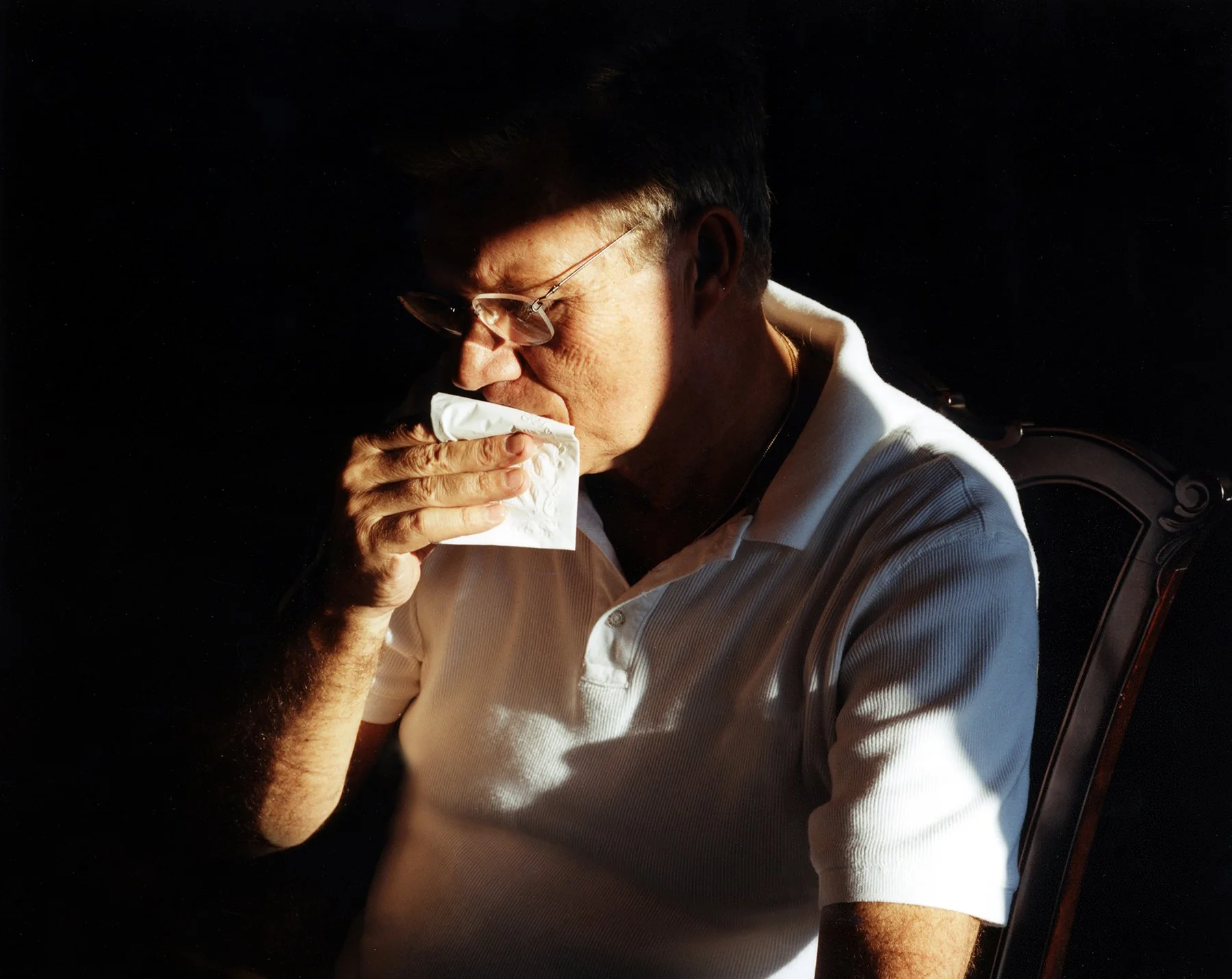
Benjamin Haberberg, Holocaust Survivor
![“My mother had a Catholic friend from before the war named Vuyek [Uncle] Stefan; a priest had given him documents that belonged to the widow of a Polish pilot who had died during the war. The widow had a son by the name of Jurek Dzieszkowski.
From th](https://images.squarespace-cdn.com/content/v1/69319deceb028a5eb7c576a0/425a056d-a06c-477d-8ee7-27179bcdd124/02dad-passport1.211.jpg)
“My mother had a Catholic friend from before the war named Vuyek [Uncle] Stefan; a priest had given him documents that belonged to the widow of a Polish pilot who had died during the war. The widow had a son by the name of Jurek Dzieszkowski. From that moment on we used the names of the widow and her son. My mother became Elzbieta Dzieszkowski and I became Jurek. Some of my friends still today call me by this name.” Several months after the war, I learned my real name was Benjamin Haberberg and hers was Dvora. The passport that was issued to us by the Polish government indicated that my mother and I were born on the same day in the same month (and this is not a Polish joke). Not having a birth certificate – because it was lost in the war – always made me wonder when I was born and how accurate was my mother’s age.”
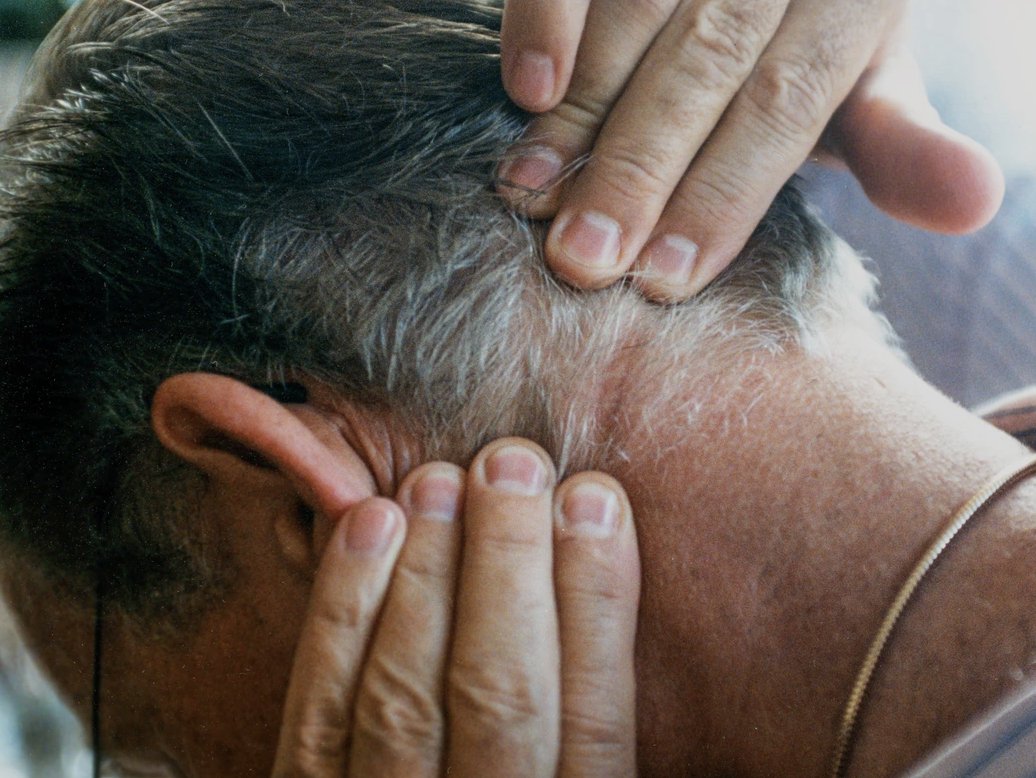
"I was so sick from Typhoid disease that I developed a lump on the back of my neck that they had to do surgery on and I have a mark from. I will show you the scar. A big one. This is where it was then. I didn’t know I was Jewish until after the war and even once the war was over my mother didn’t tell me immediately until she was completely sure we were safe and that Germany was defeated. In Poland before World War II only Jewish babies were circumcised. My mother made sure to tell me that I should never, but NEVER, take my pants off in front of strangers. At that time everybody was a stranger to me except my mother, and I knew that this was very important to her. After the war when I lived in the orphanage I refused to shower with other boys. When I grew up, thank God, this fear finally disappeared. When we were living in the barracks pretending to be Polish Catholics, I became very, very sick. First I had typhus and then chicken pox, which developed horribly because there was no penicillin. My mother called the doctor, but he didn’t arrive right away. She was afraid I was dying so she went to look for him and while she was out, that’s when he came. My mother tells the story that when she returned, there were three people fighting with me and I was screaming because I wouldn’t let them take the blanket off at all. And that the first words I said to her when she came in was, “I wouldn’t let them take the blanket off, Mom.”
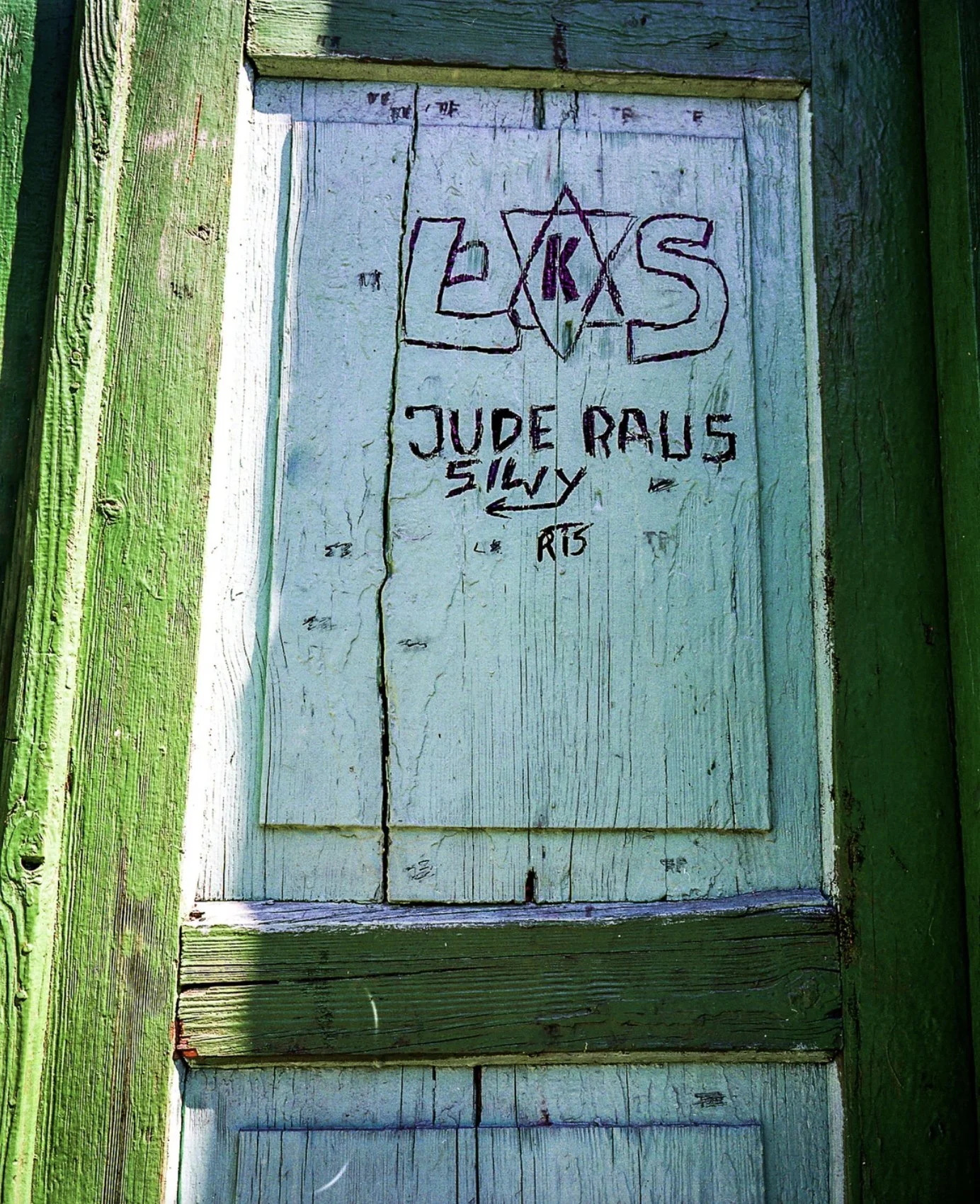
Jews out!” (German) – A dreaded phrase shouted by the Nazis throughout the ghettos when they were trying to force Jews from their hiding places.
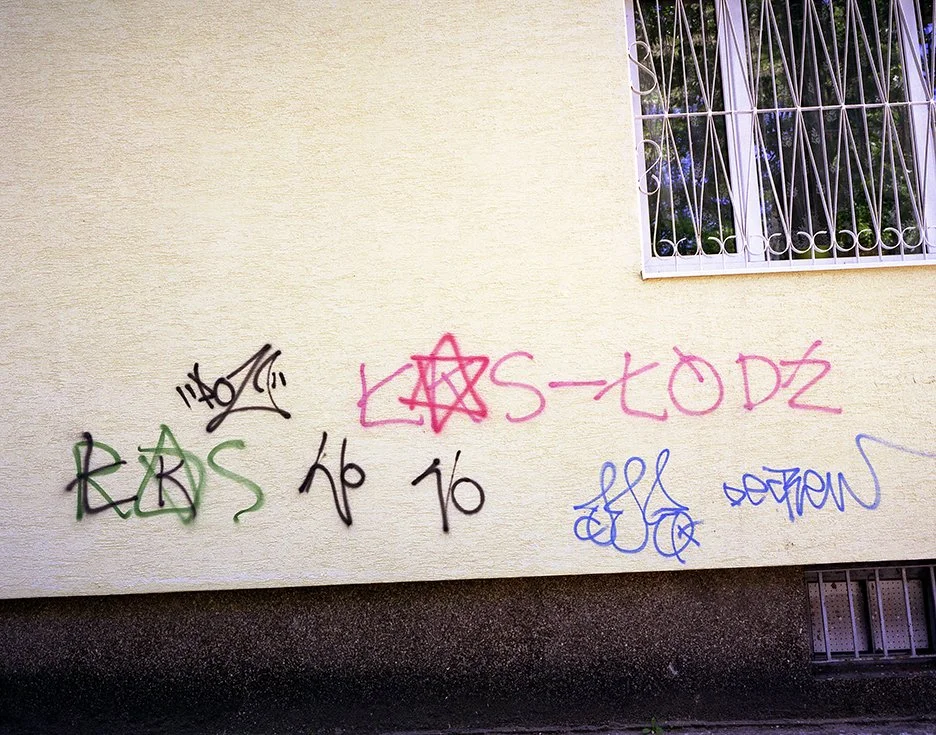
“Anti-Semitism is alive. Traveling in a taxi, the driver complained as we passed a building that the Jews wanted to claim. When I asked, ‘did it belong to them?’ he said yes.”
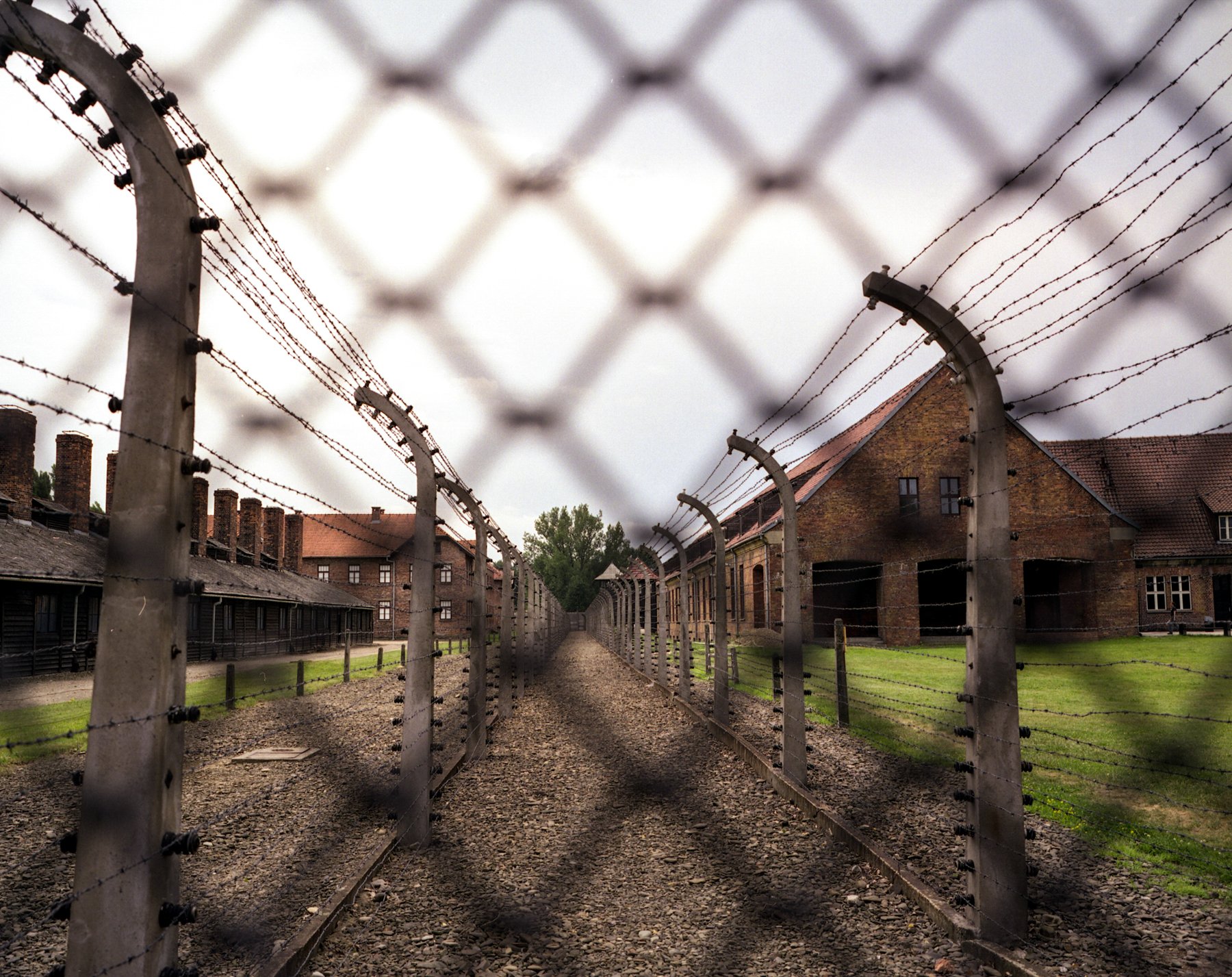
"According to some rumors, my father was killed trying to escape Majdonek concentration camp. The year I turned 80 I found documentation the he did die there."
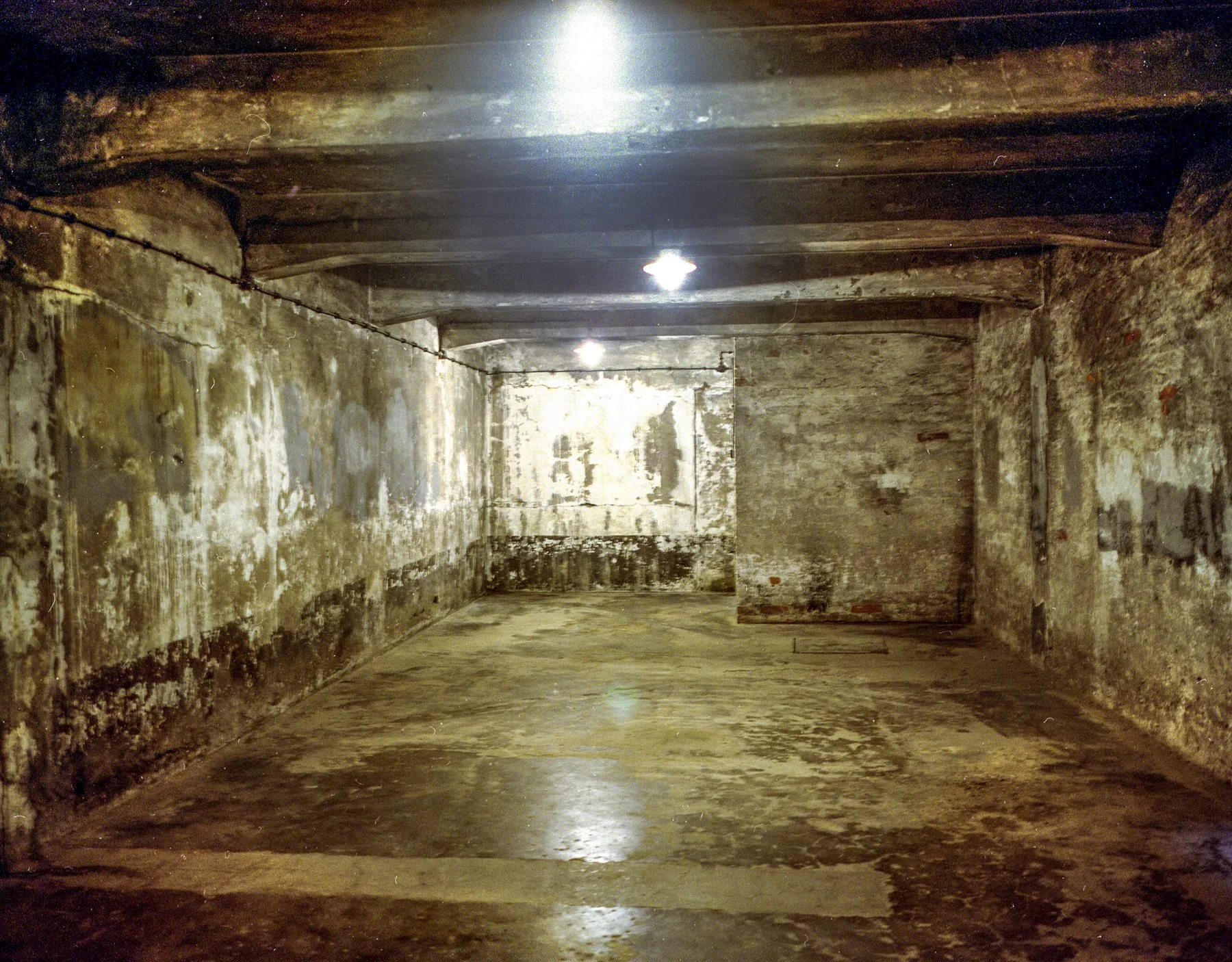
“At 6am, in our pajamas one rainy morning we were collected with 10,000 other Polish people, not Jews. They put us in lines and began to walk us to a labor camp for Polish people. It was winter and very cold. My mother wore a flowered robe and I was in my pajamas with no shoes–my mother held me as she walked. There were soldiers on both sides of us and I am sure that my mother thought this was the end. A woman who was standing nearby holding two jugs of milk yelled out, “Aren’t you embarrassed, dragging a women in her robe and her little boy out in this weather with no shoes?” The German soldier shot above her head and she stopped talking. Moments later a random teenage boy motioned to my mother to come and we ran off the line. When we got to his house he hid my mother in the closet and me under a down comforter. The Germans came to look for us and the family put a bottle of vodka on the table and pretended to be socializing. When the Germans arrived they were invited to partake but they declined and asked whether they had seen a women with her little boy. The family said no and the Germans left. We lived with this family in the village of Piastow as Polish Catholics until the Russians liberated us. We went to church every week and prayed. My mother worked as a seamstress for this family and we began to have a life there – sort of, although we were still being bombed. When we heard the sounds of the lift-off of the bombs my mother would throw me on the floor, put a big pillow over me and then she would cover me with her body. She did everything for me.”
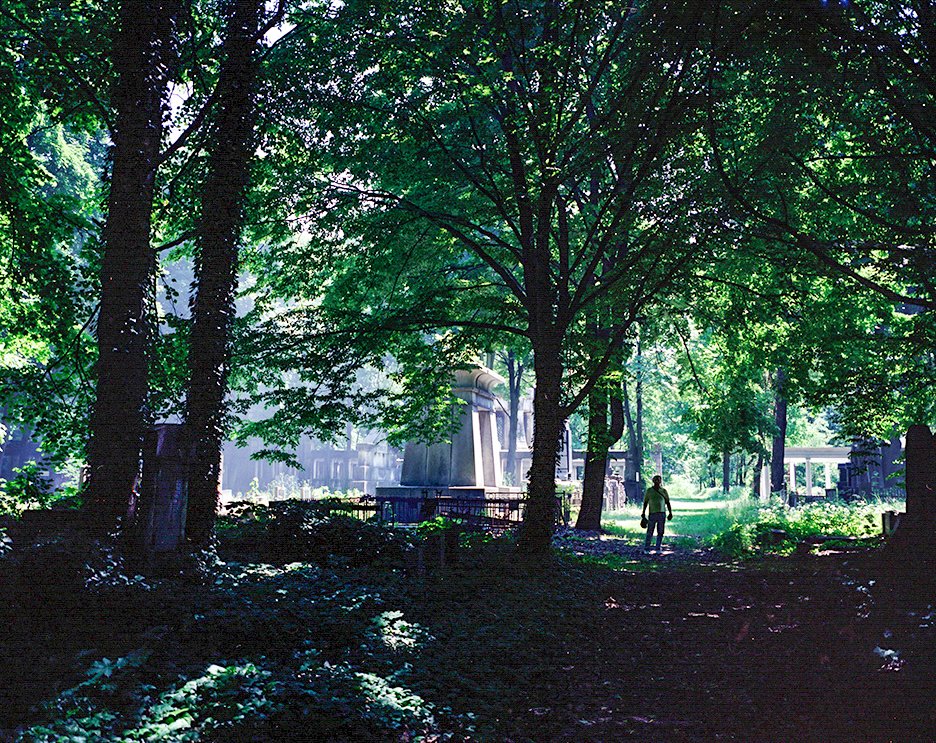
Benjamin and his wife Gili in a cemetery of thousands of tombs, searches and finds the grave of her great grandmother, also killed by Nazi’s.
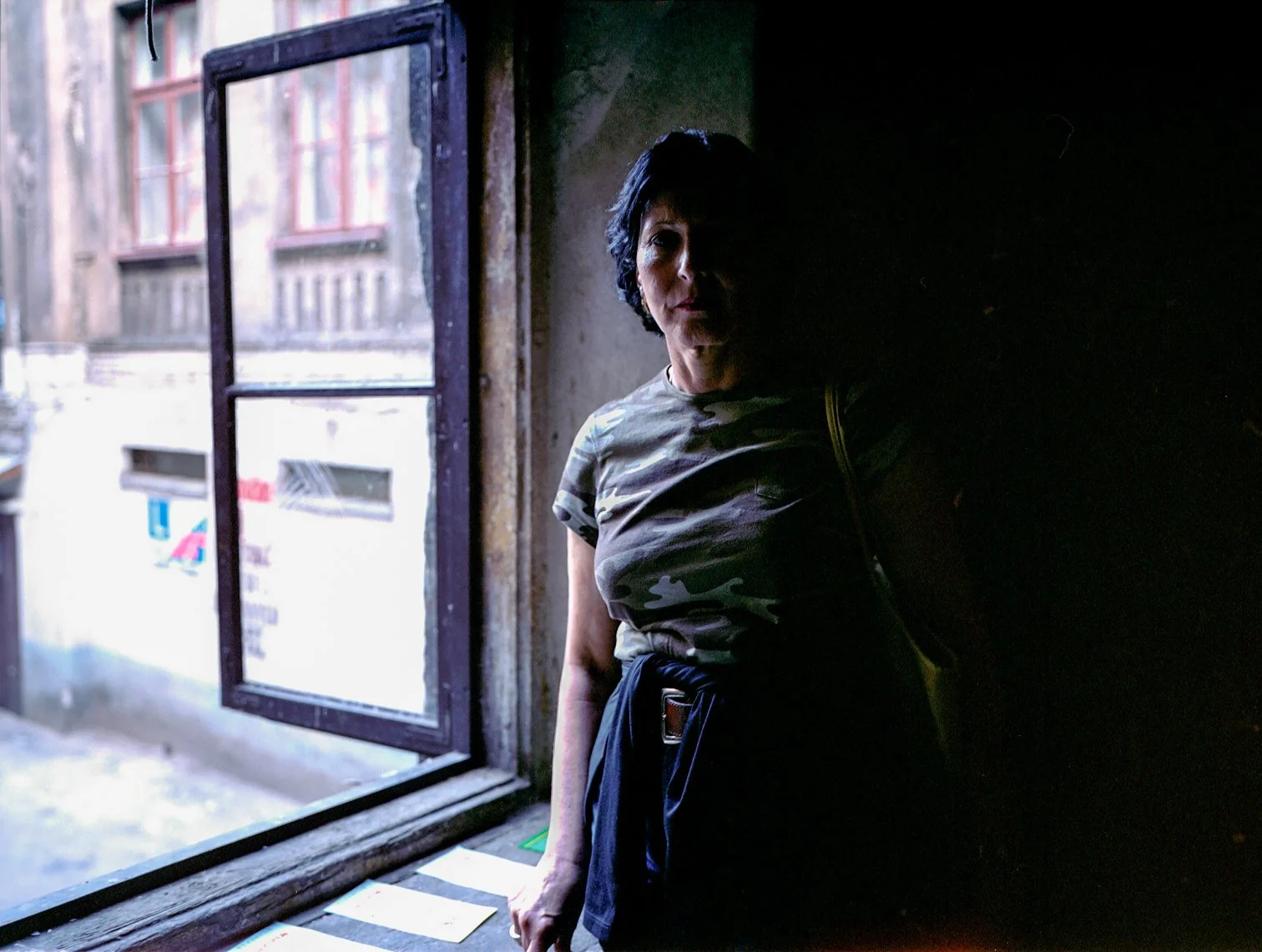
Gili Haberberg in her grandparents/mother's home in Poland seized from the Germans. “I was emotional recalling the stories my mother told me about running up the stairs. Being there made it come alive – the Germans took it all away.”
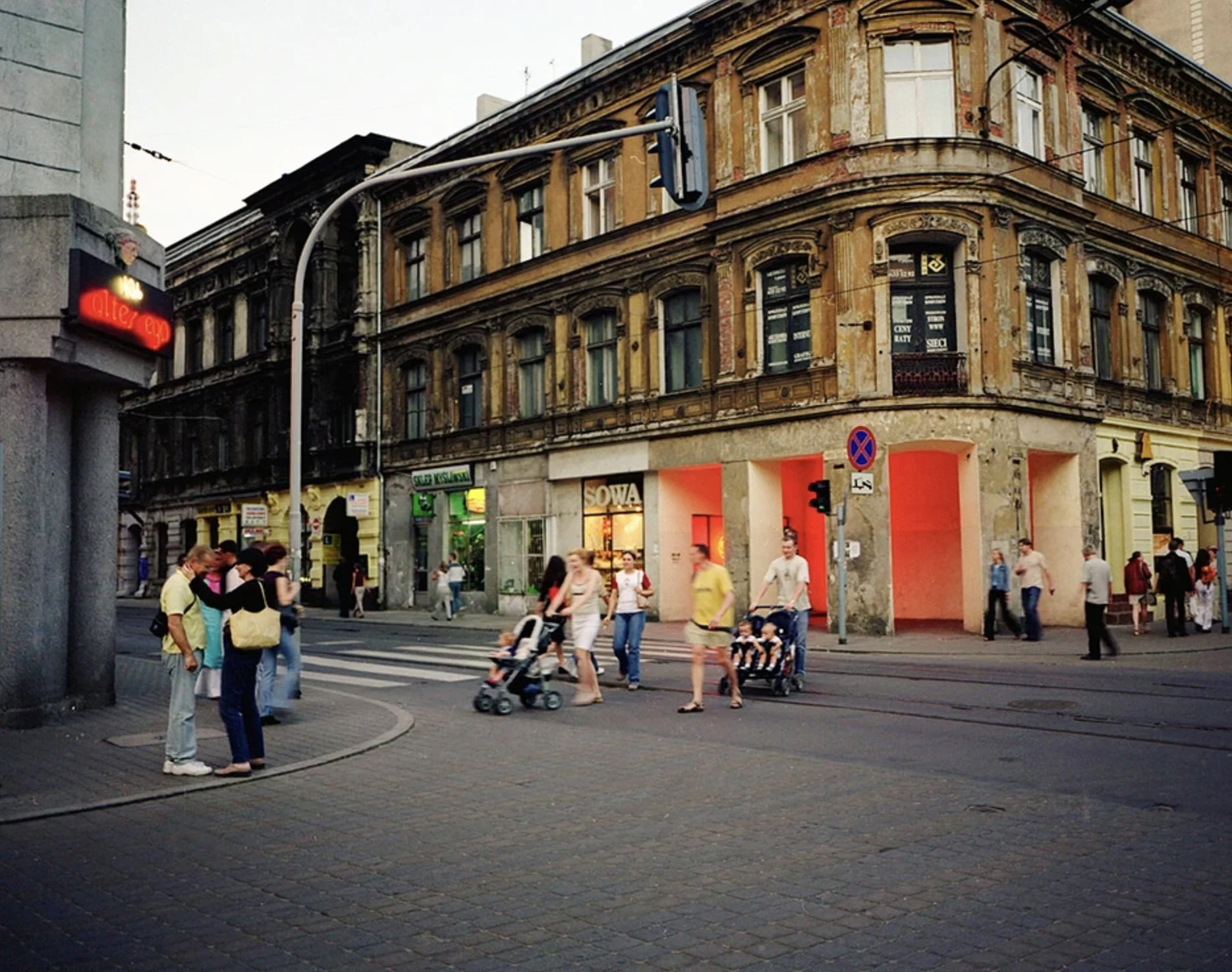
Gili's mothers' apartment complex seized by the Germans
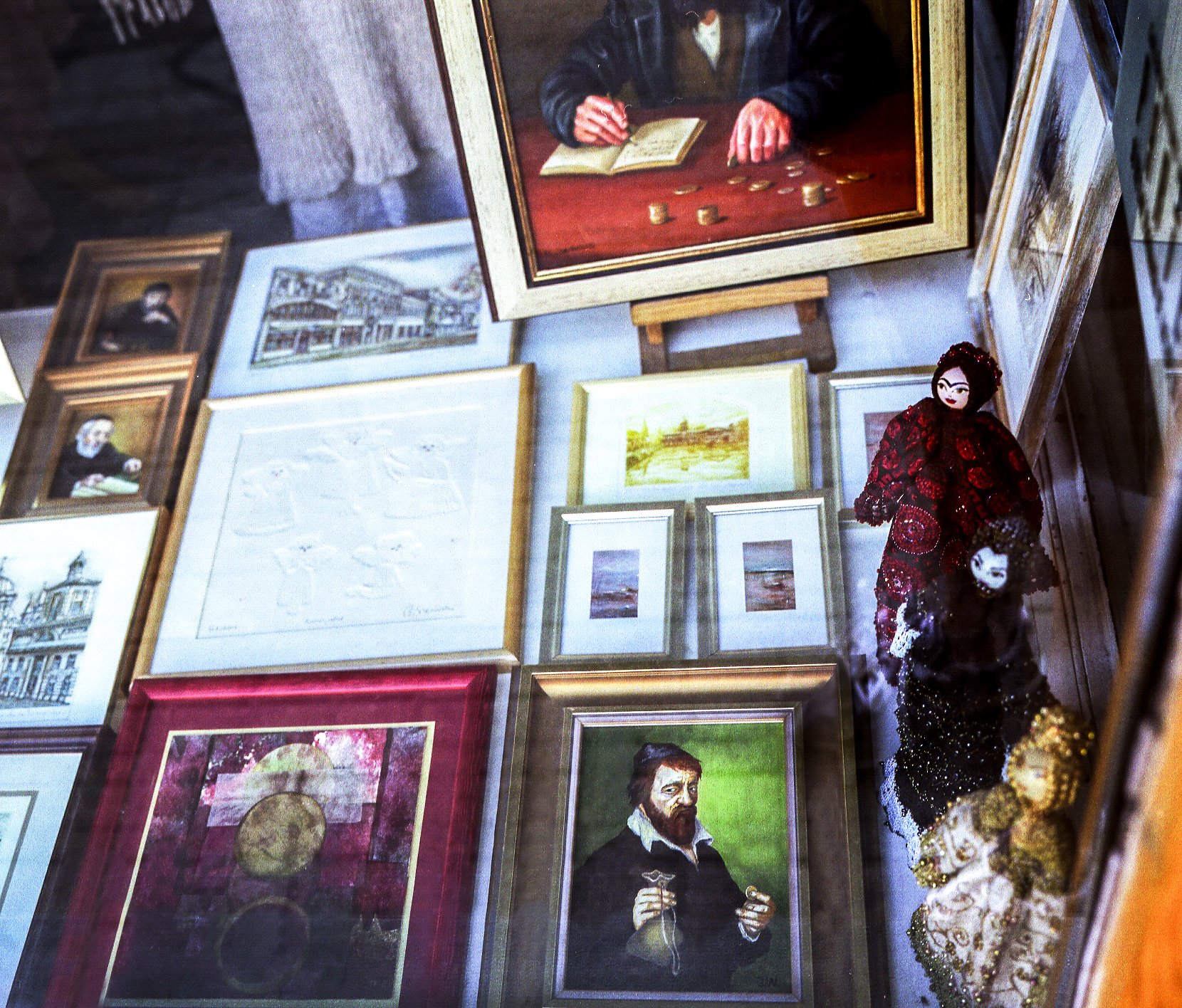
Anti-semitic paintings in Window, Krakow Poland
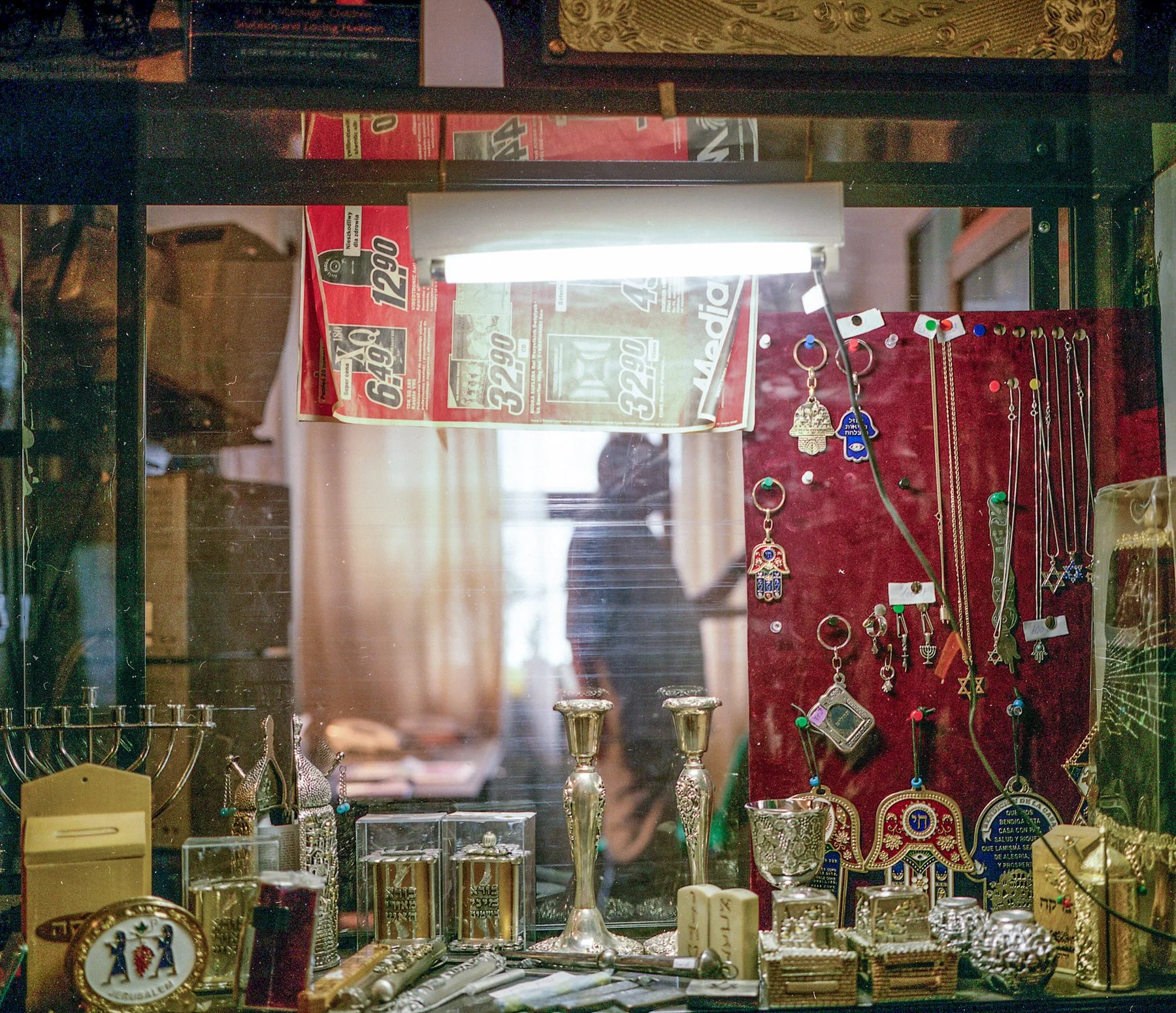
“It felt strange to be in the synagogue that my family used to go.”
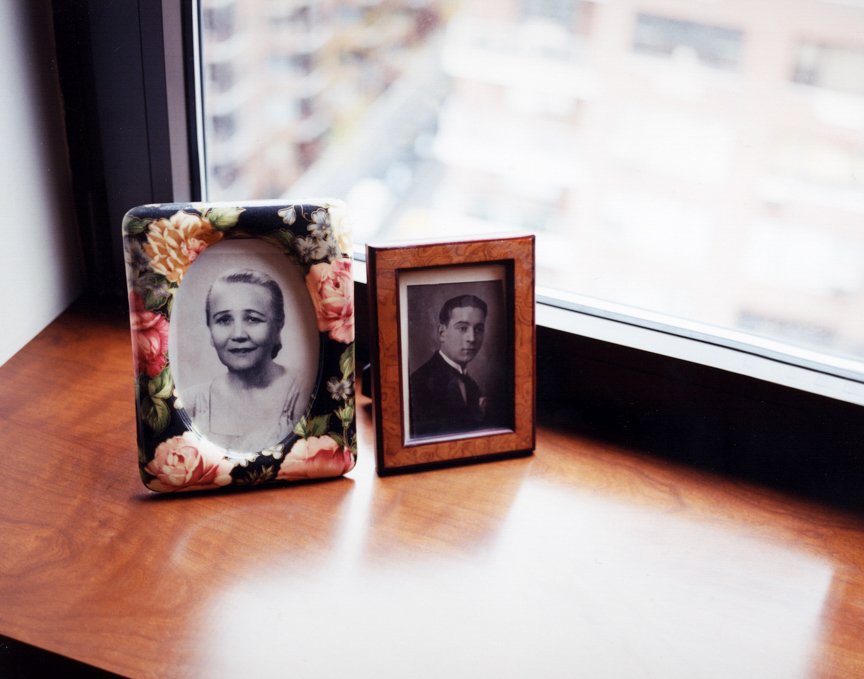
Dora Haberberg, Also Known as Elsbieta Dzieszkowski “My mother was a tough woman – really a woman of substance. I admire her for her determination. I think there are many things she did for us to survive that I will never know. Before the war, she was a schoolteacher by profession, and taught the deaf and mute. Her students as well as the children from the orphanage visited her and were indebted to her, her entire life. In many ways she saved others beside myself and they were grateful.” Raphael Haberberg “The Germans rounded up men to work at “labor camps,” and when my father realized what was happening he jumped out the window, never to be seen or heard from again. Vladek, my mother’s teaching assistant in the orphanage, claims that he thinks he saw my father in a concentration camp, dan. Another person says that he saw him there too. The rumor was that a Haberberg tried to escape with four other men and was shot and killed.
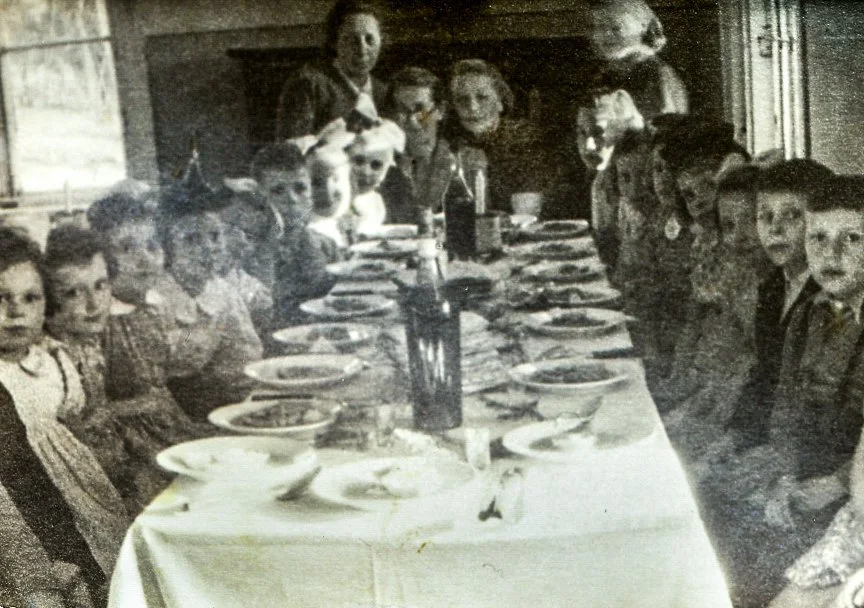
The orphanage in Poland my father lived at after the war. My grandmother is seen at the head of the table. He recalls, "The kids were very mean to me there because I had a mother and they did not. They used to beat me up all the time."
Benjamin was 6 years old when the war ended and his mother, Dora, was either 44 or 49 years old. There is no record of her birth. Adek Kirshenbaum, Dora’s brother had immigrated to Israel before the war. The Kirshenbaum family were Zionists and very involved with the movement. On the radio one day Dora and Benjamin heard, “Adek Kirshenbaum looking for his sister Dora – come, come to Israel,” and they did. In September 1948 Dora and Benjamin went via Marseille to Israel. Benjamin Haberberg lived in a studio apartment that they shared with a school in Tel-Aviv with his mother until he joined the Israeli army at the age of 19 and became an officer in the Intelligence unit. The apartment that they lived in shared a bathroom with a kindergarten. At 22, he was married and moved to the United States with his wife, Gili. He is a success both personally and professionally, and has overcome these tragic experiences with grace, humility and humor. Benjamin currently lives in the Manhattan area with his wife of 54 years, Gili, and near his two children, and five grandchildren.