
Instructor: Karen Haberberg
Noir NYC: Storytelling After Dark, 6:30-9:30pm
email – khaberberg@icp.edu - Tel: 917-541-3103
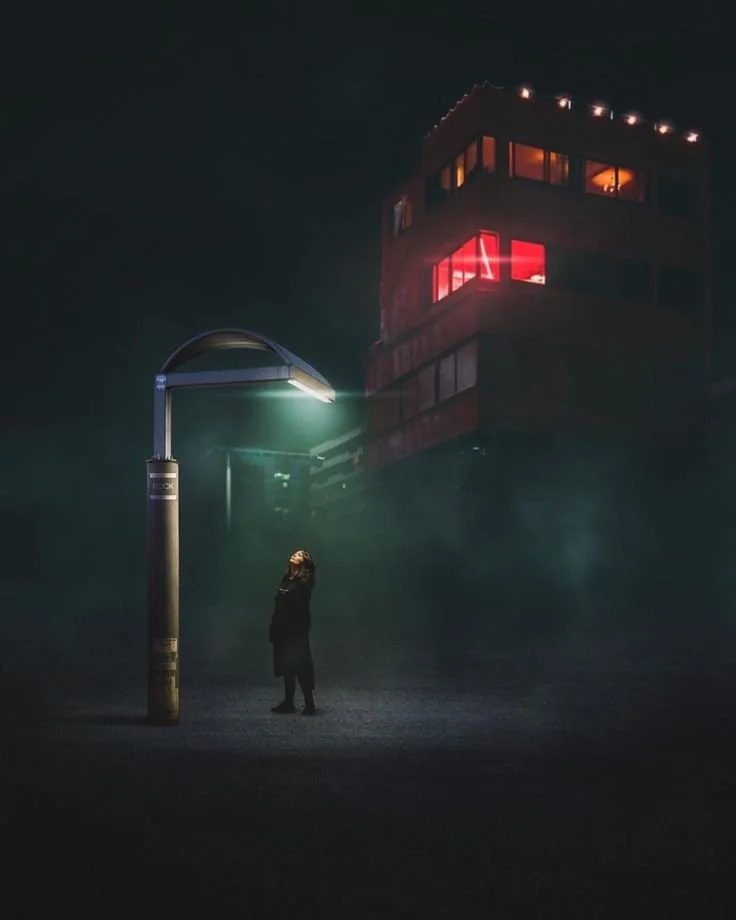
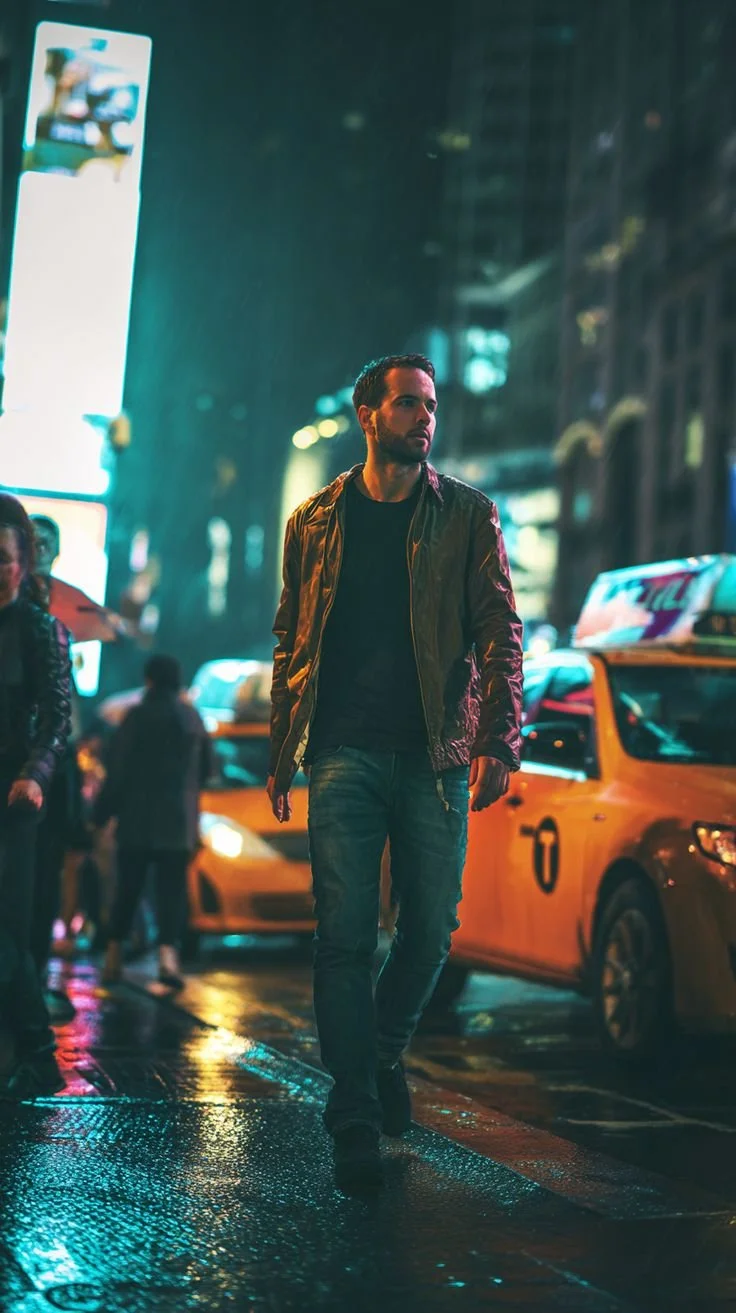
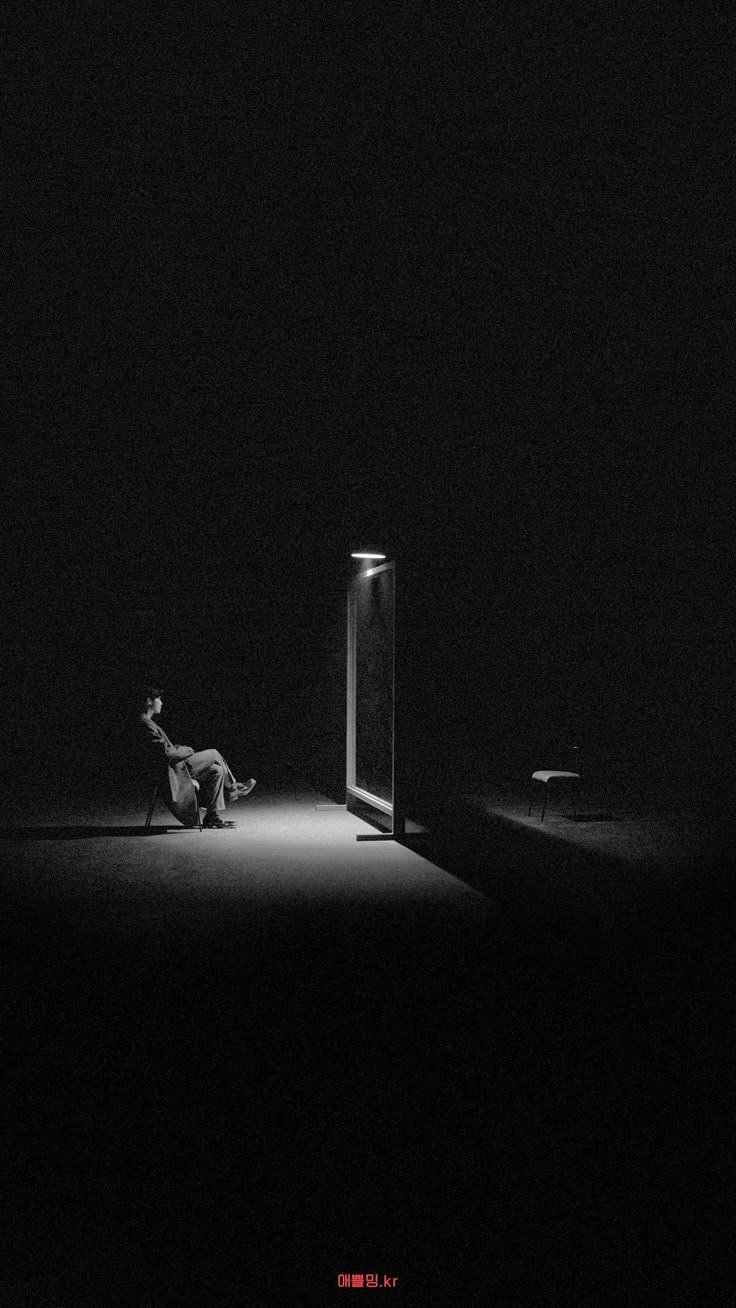
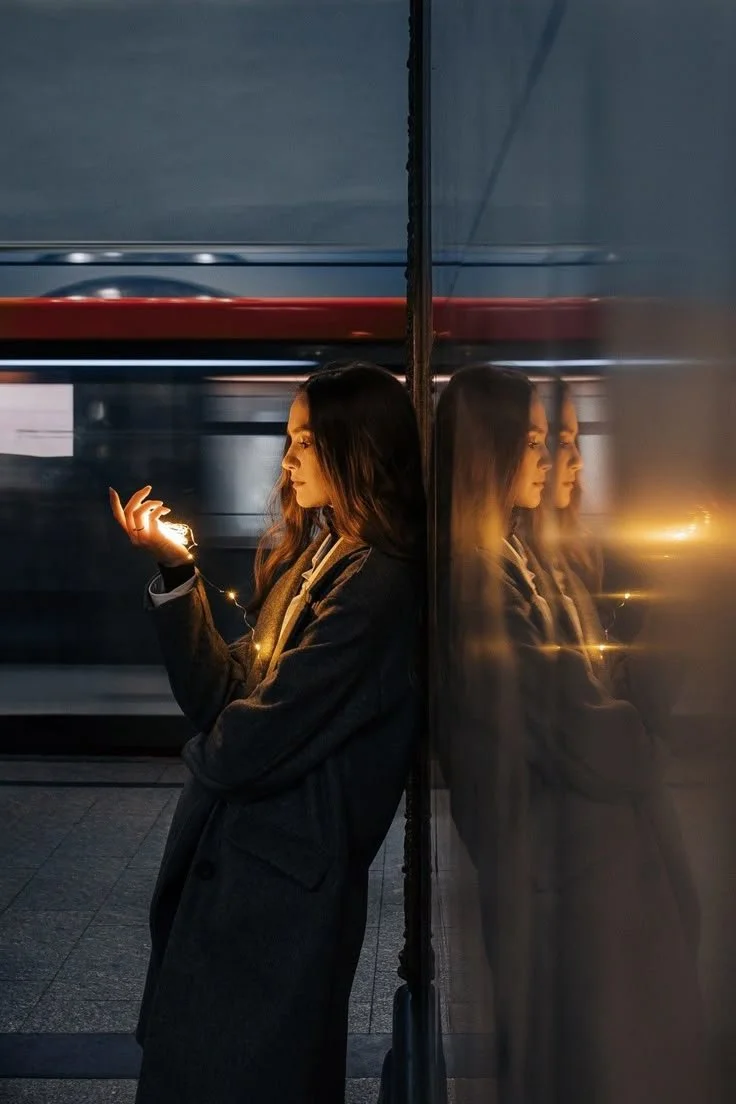
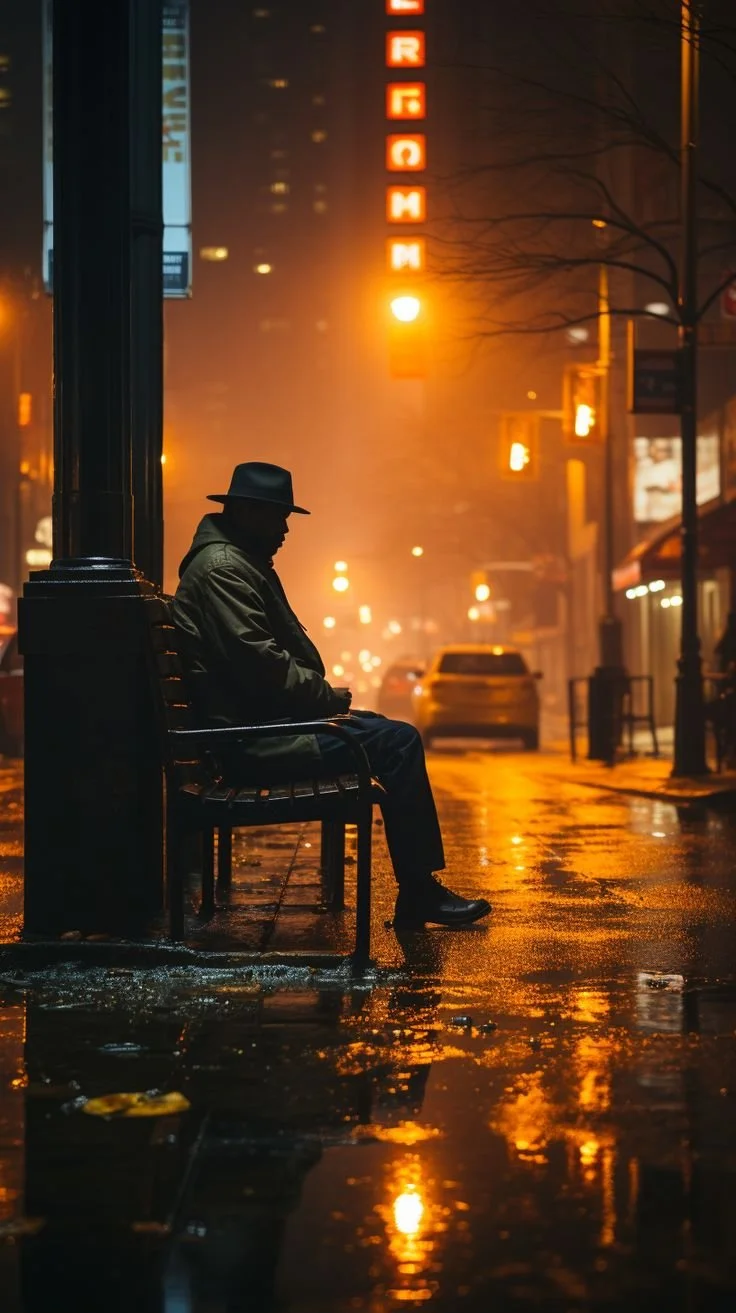
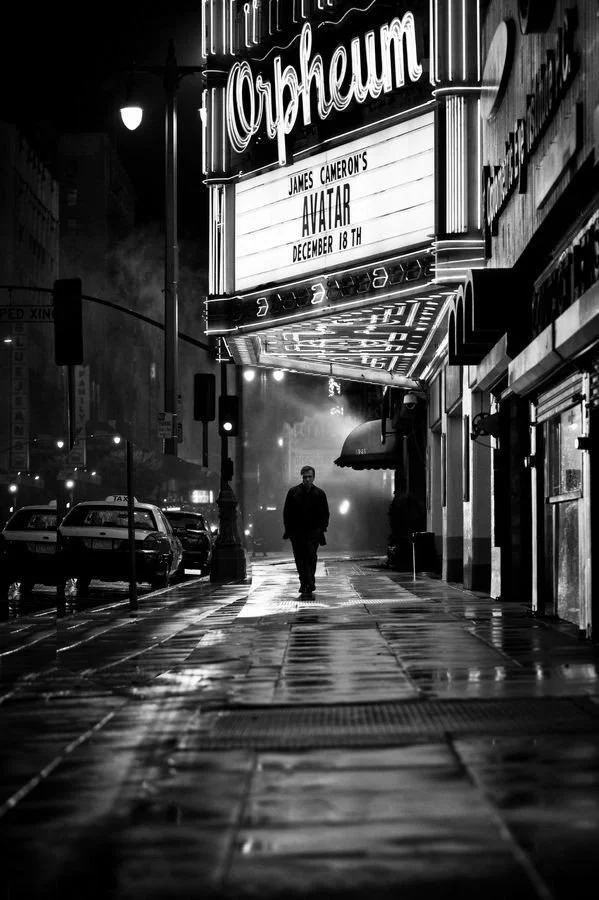
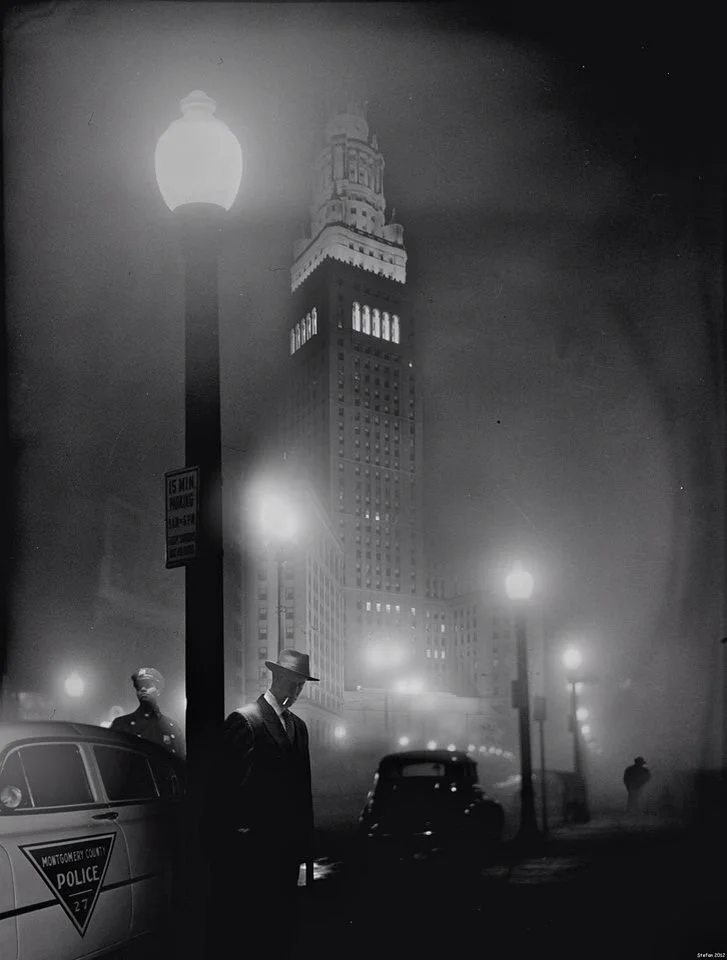
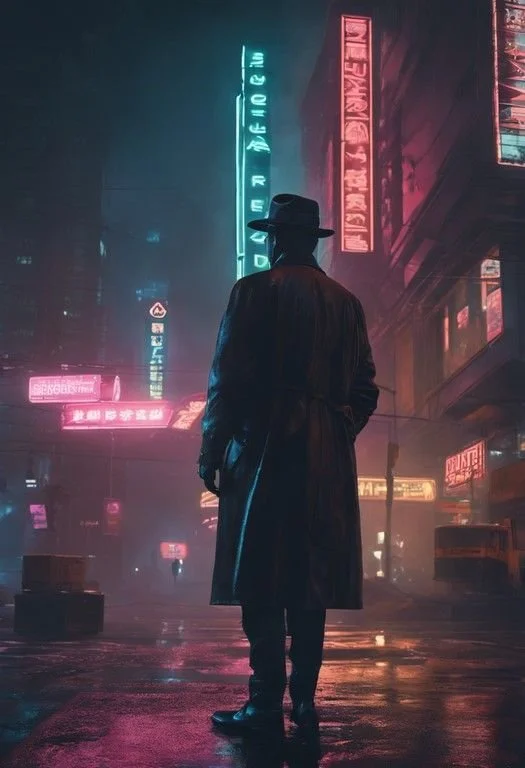
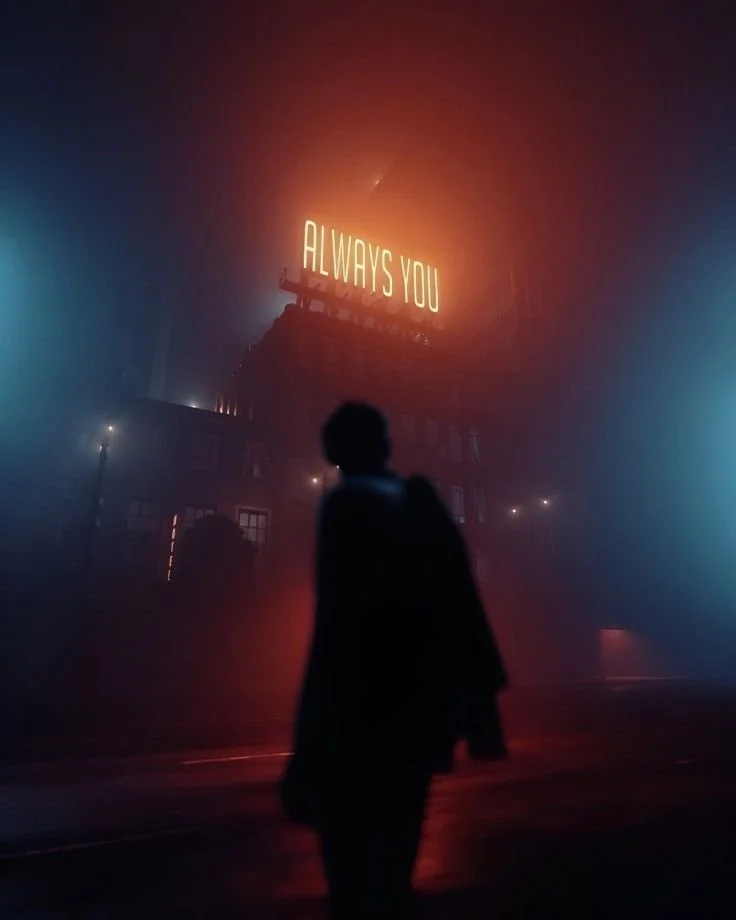
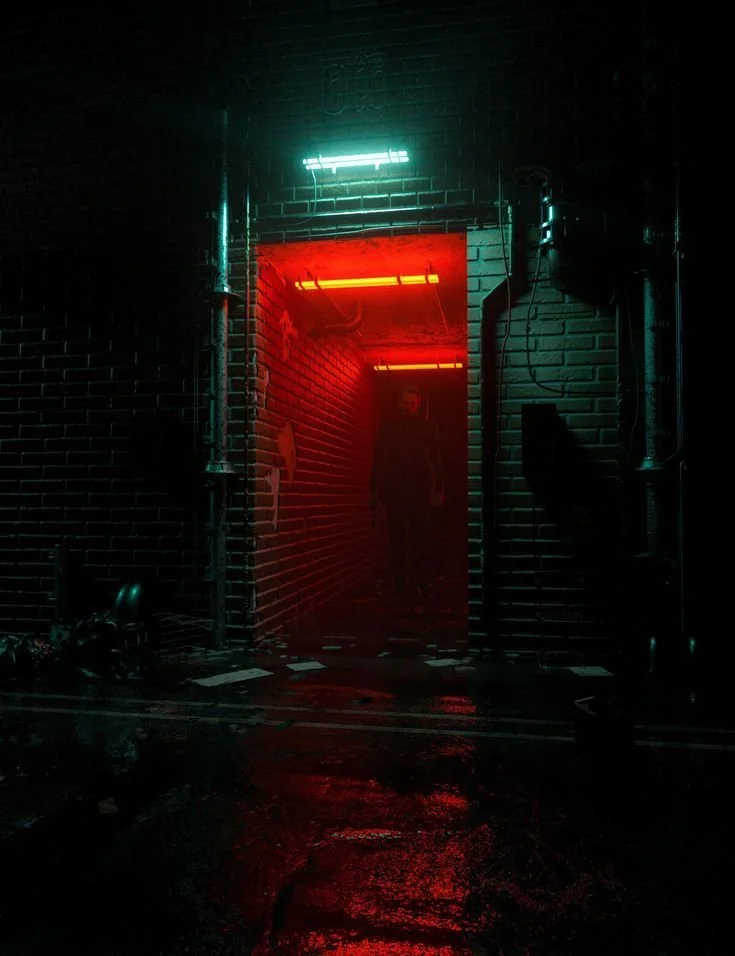
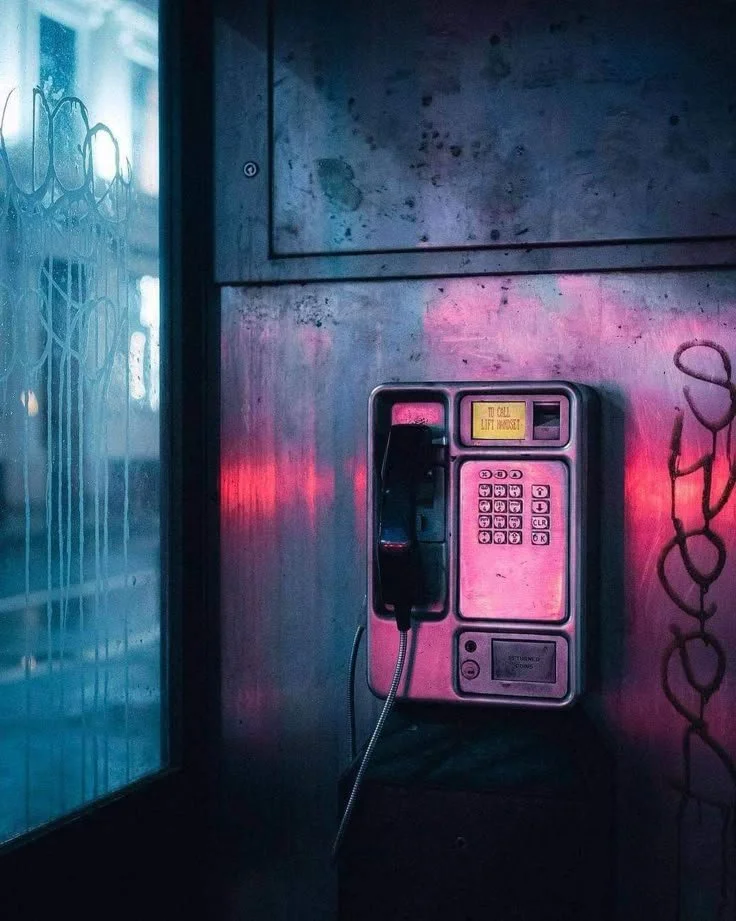
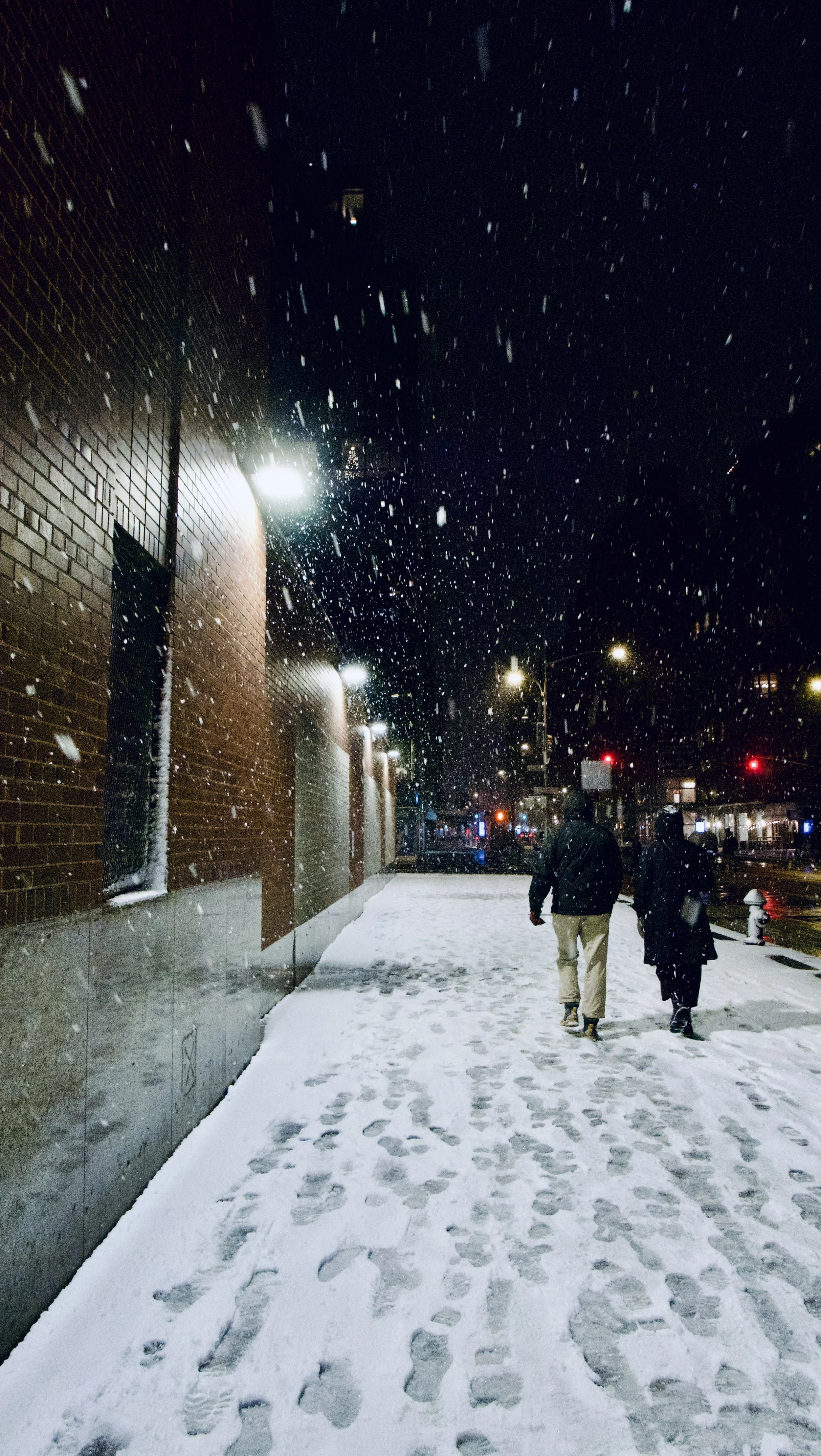
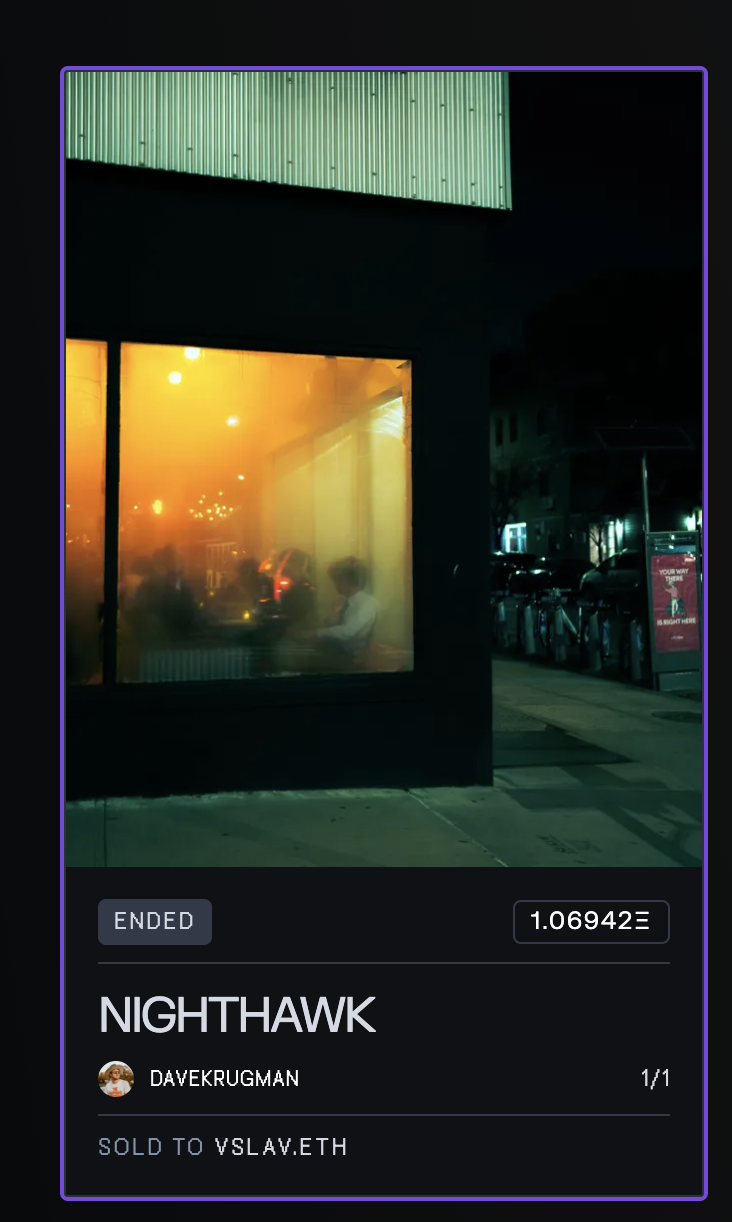
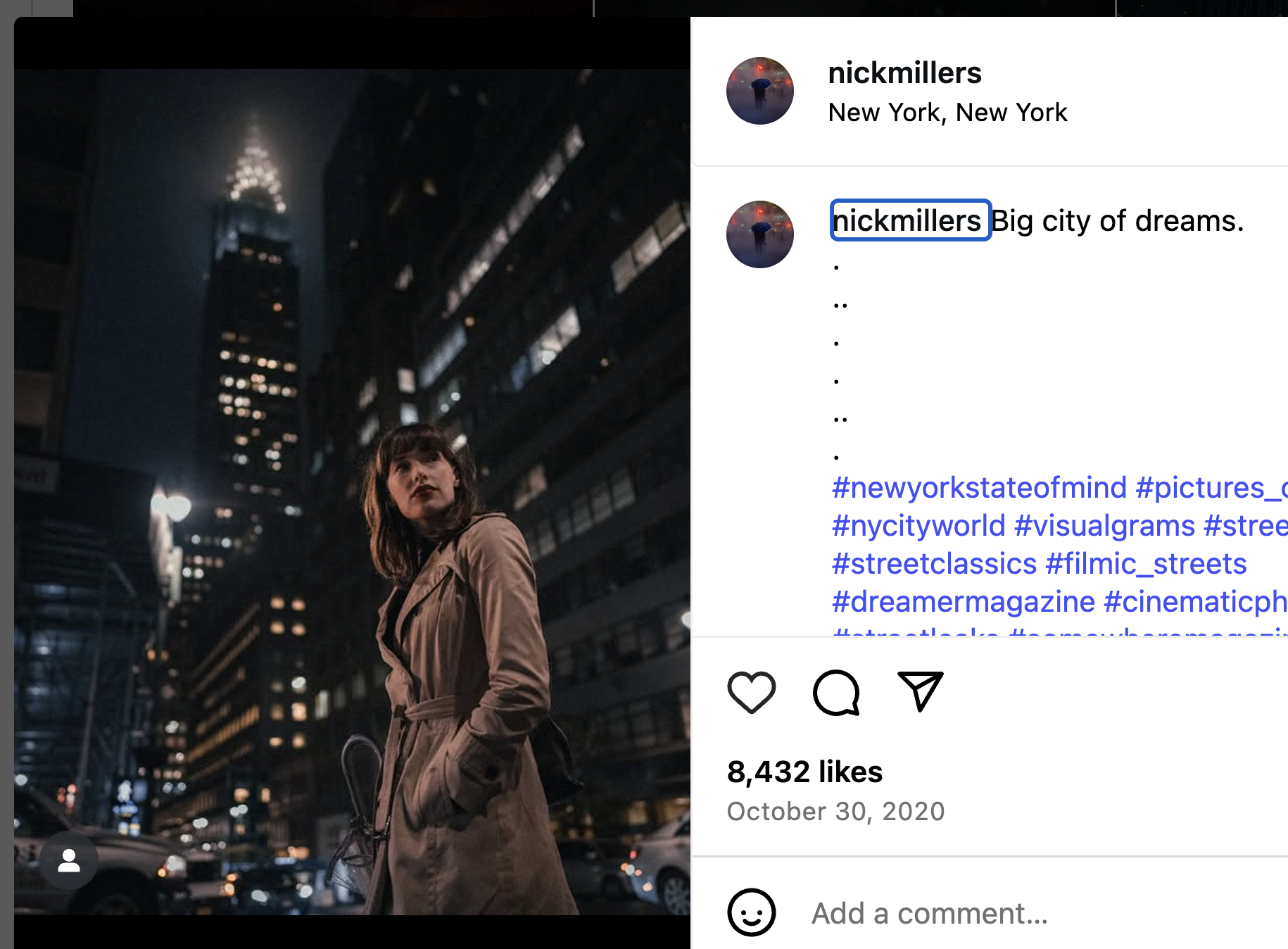
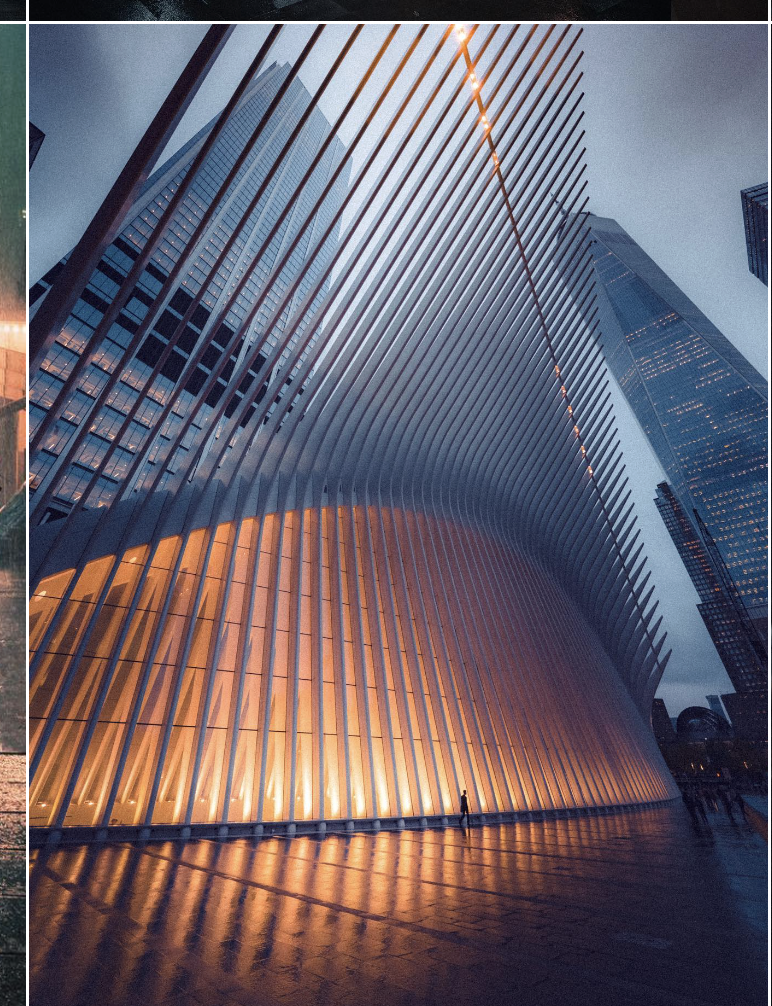
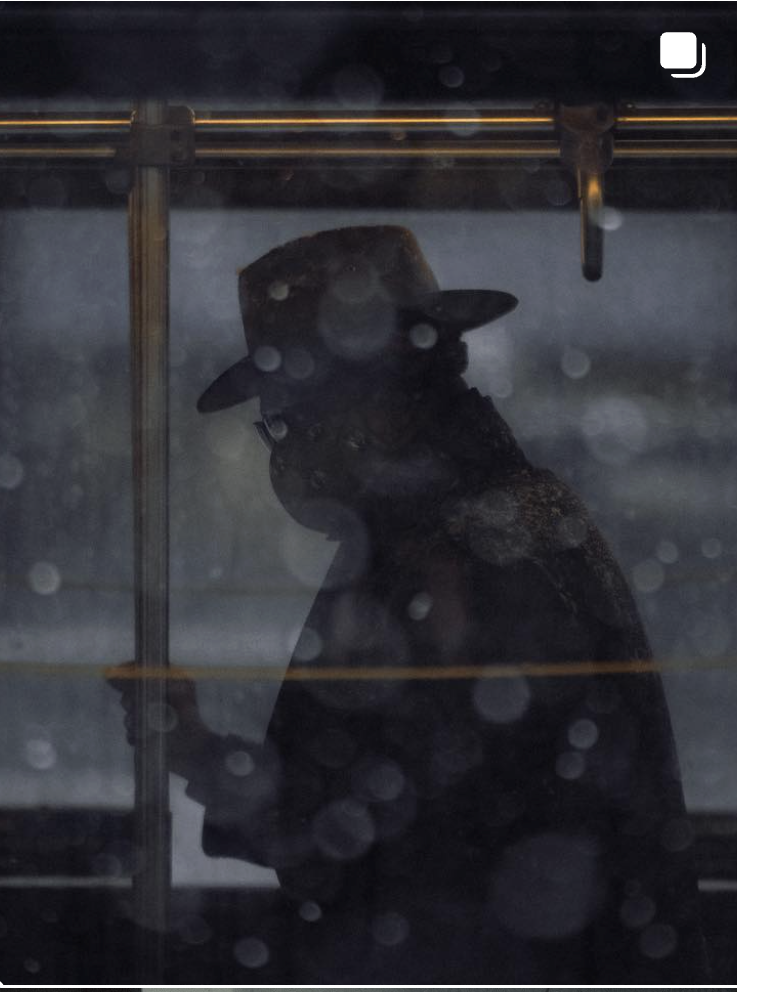
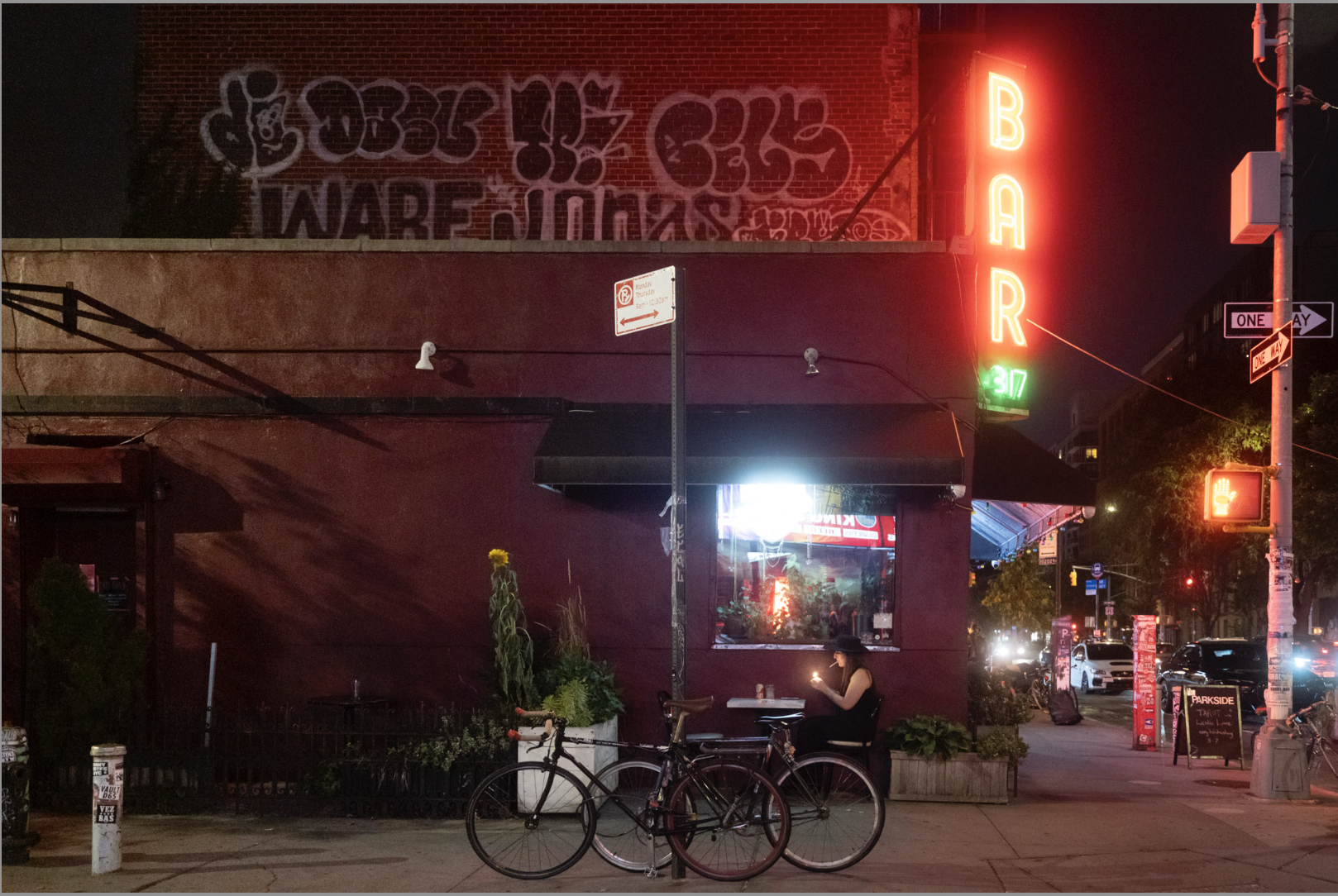
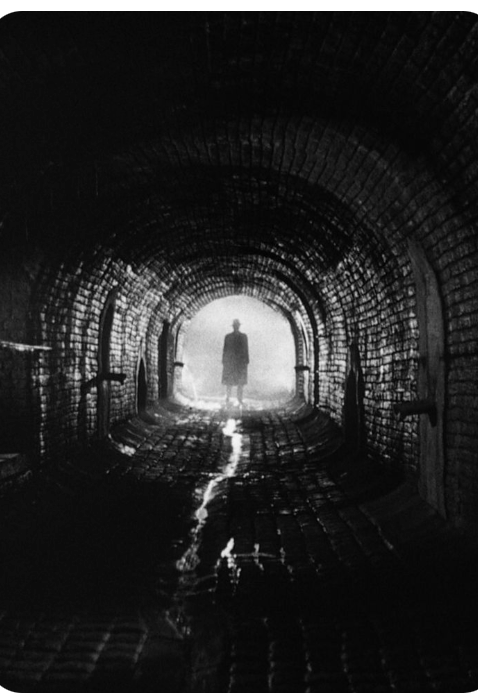
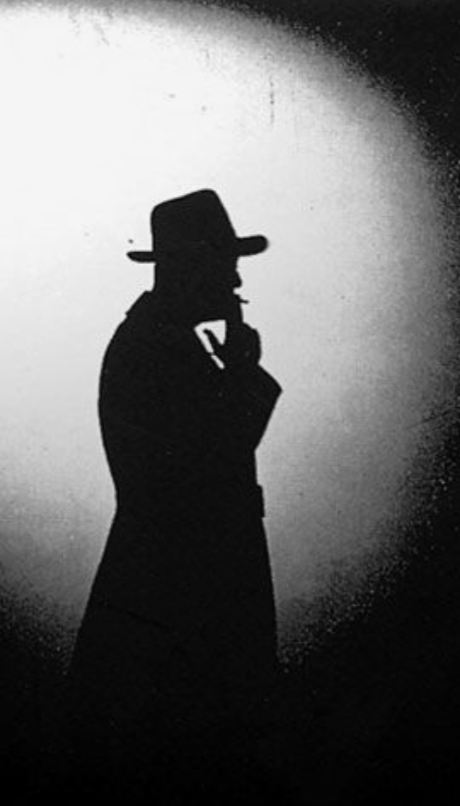
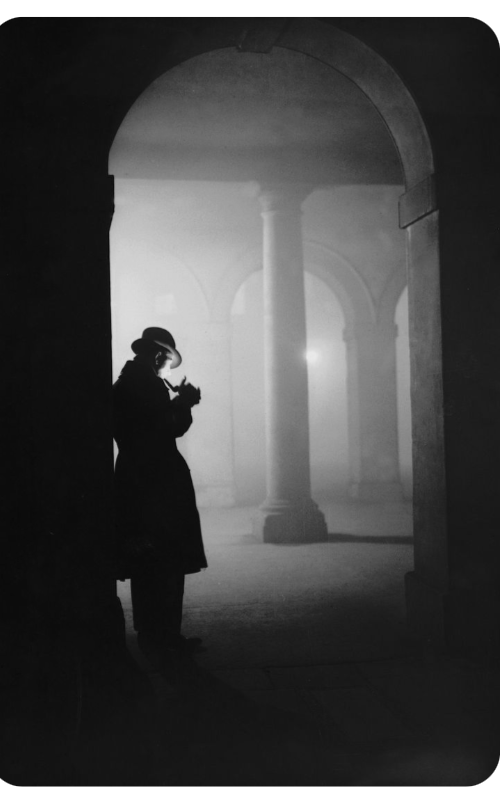
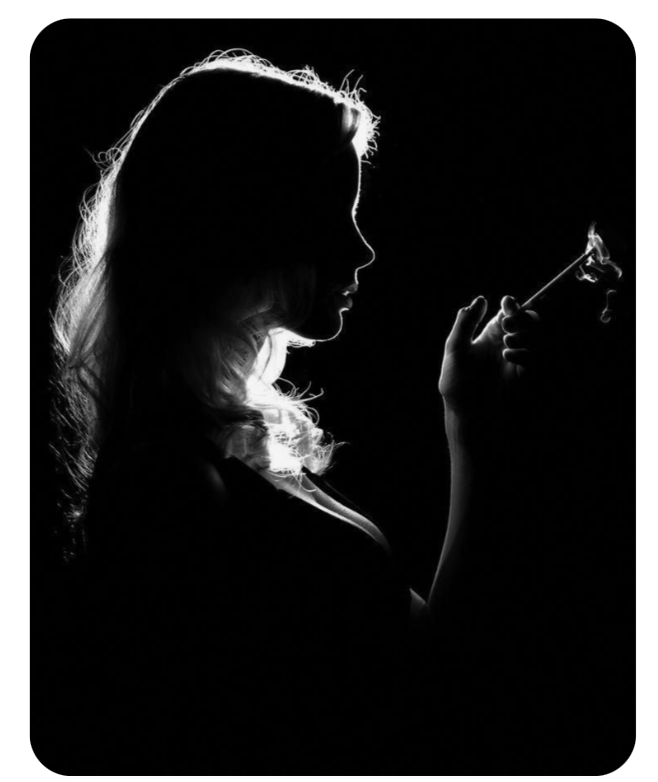
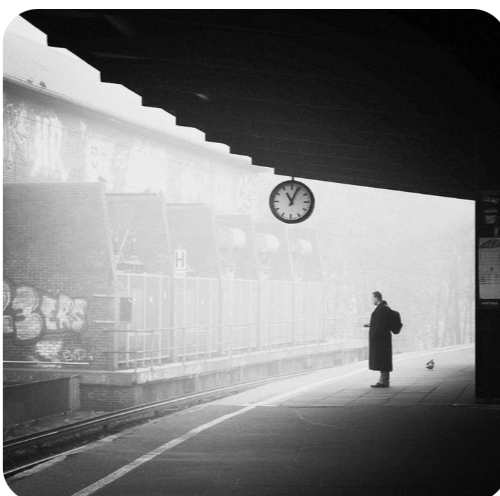
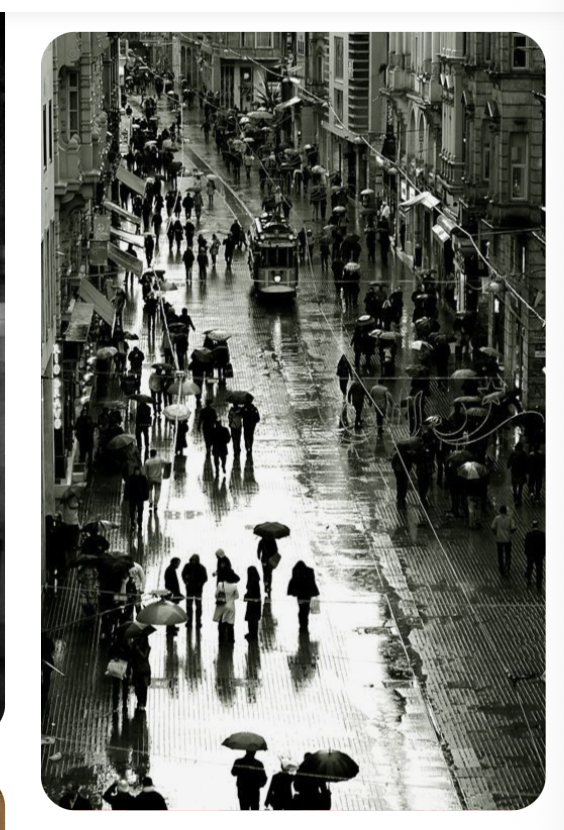
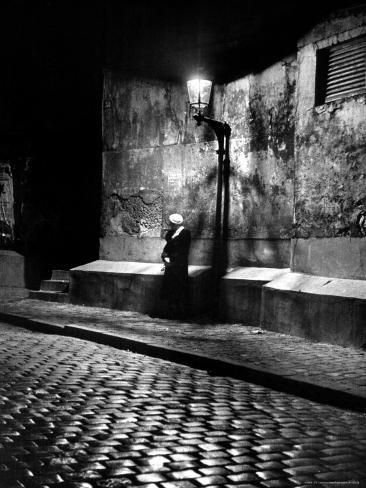
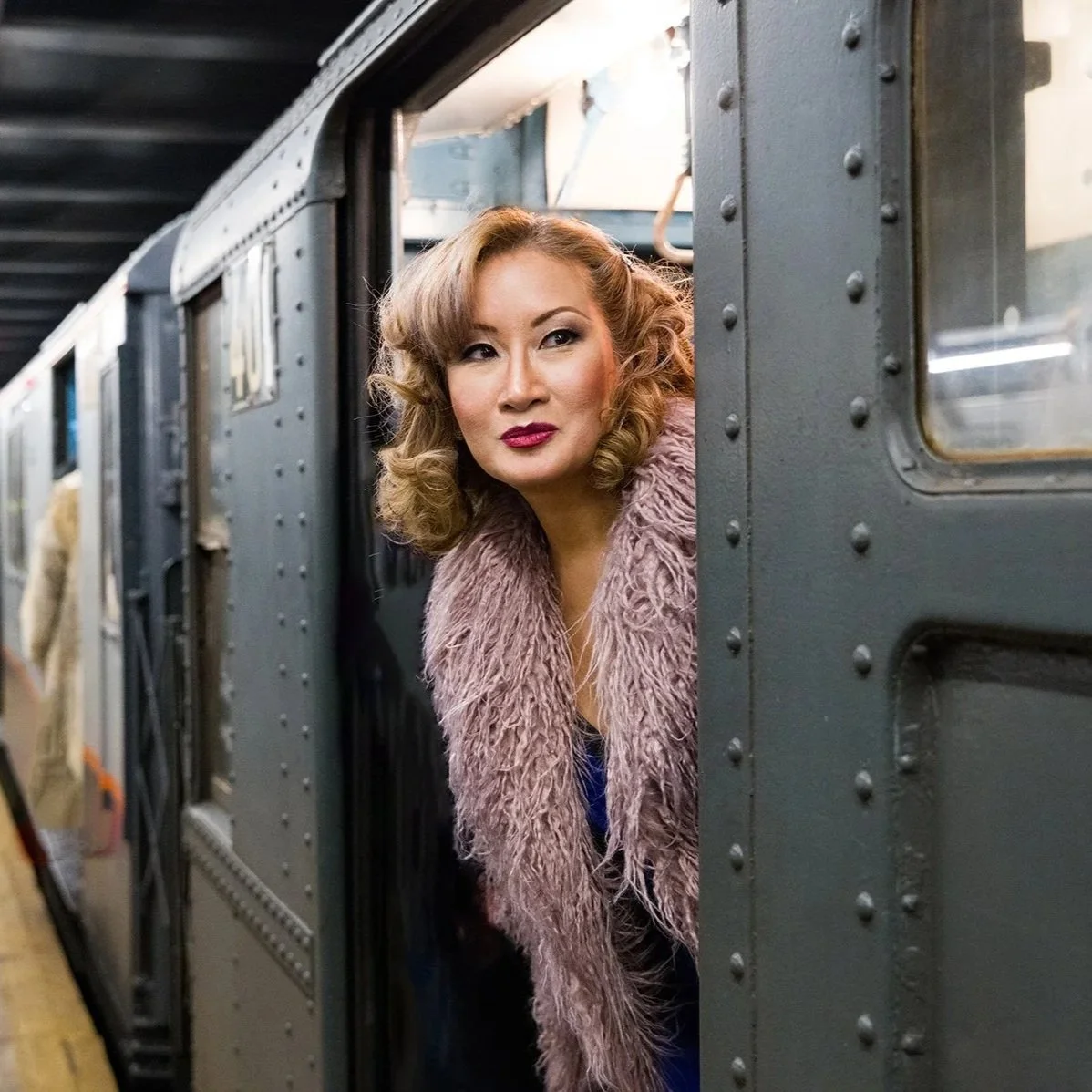
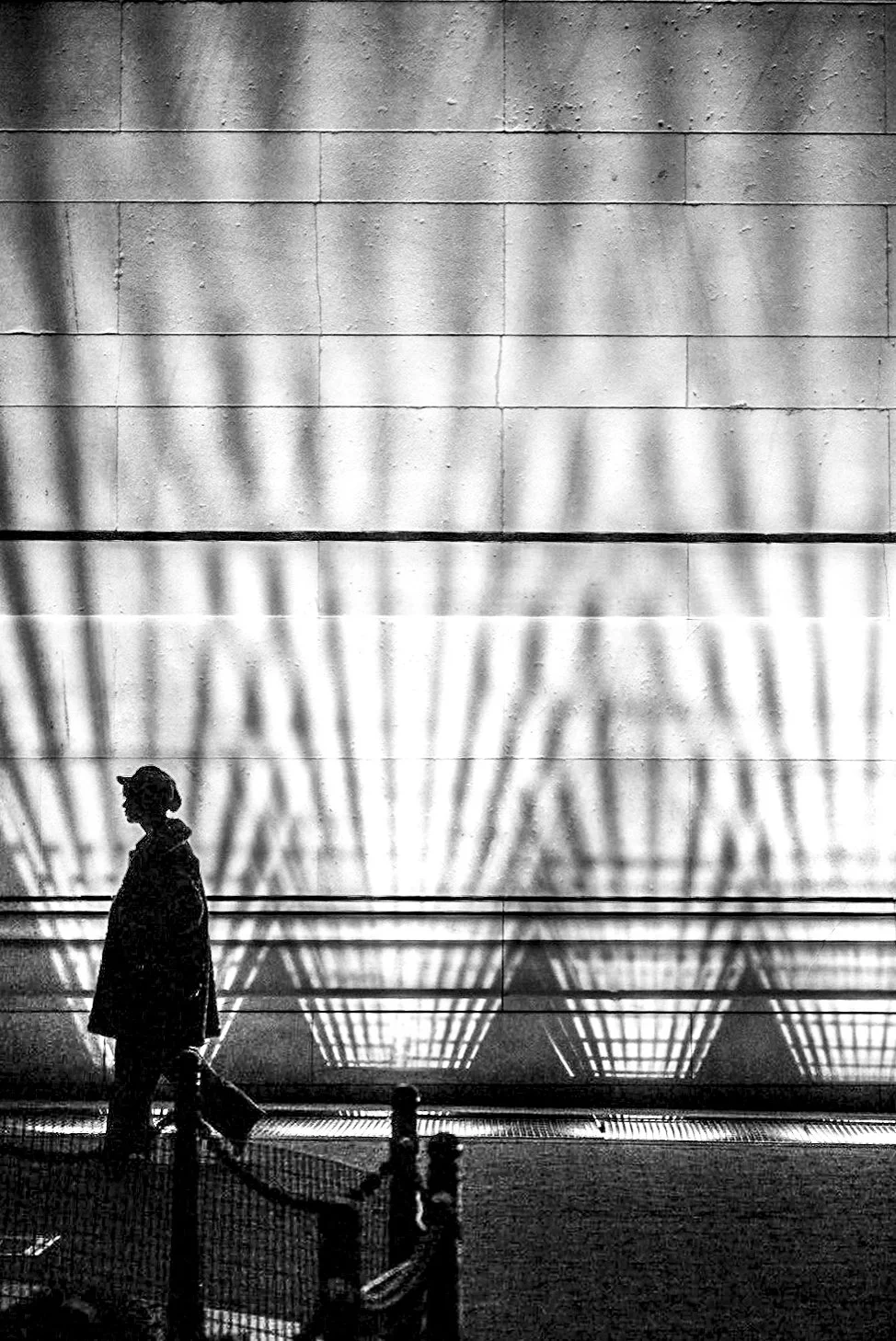
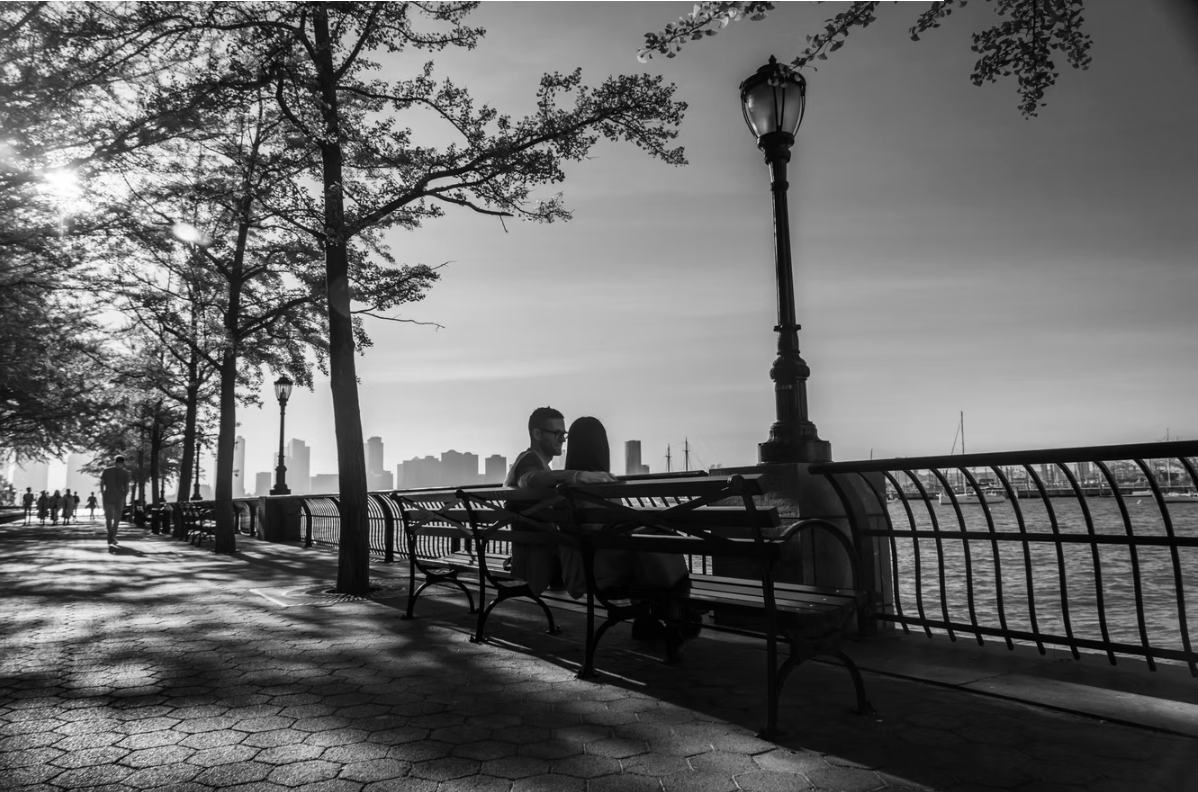
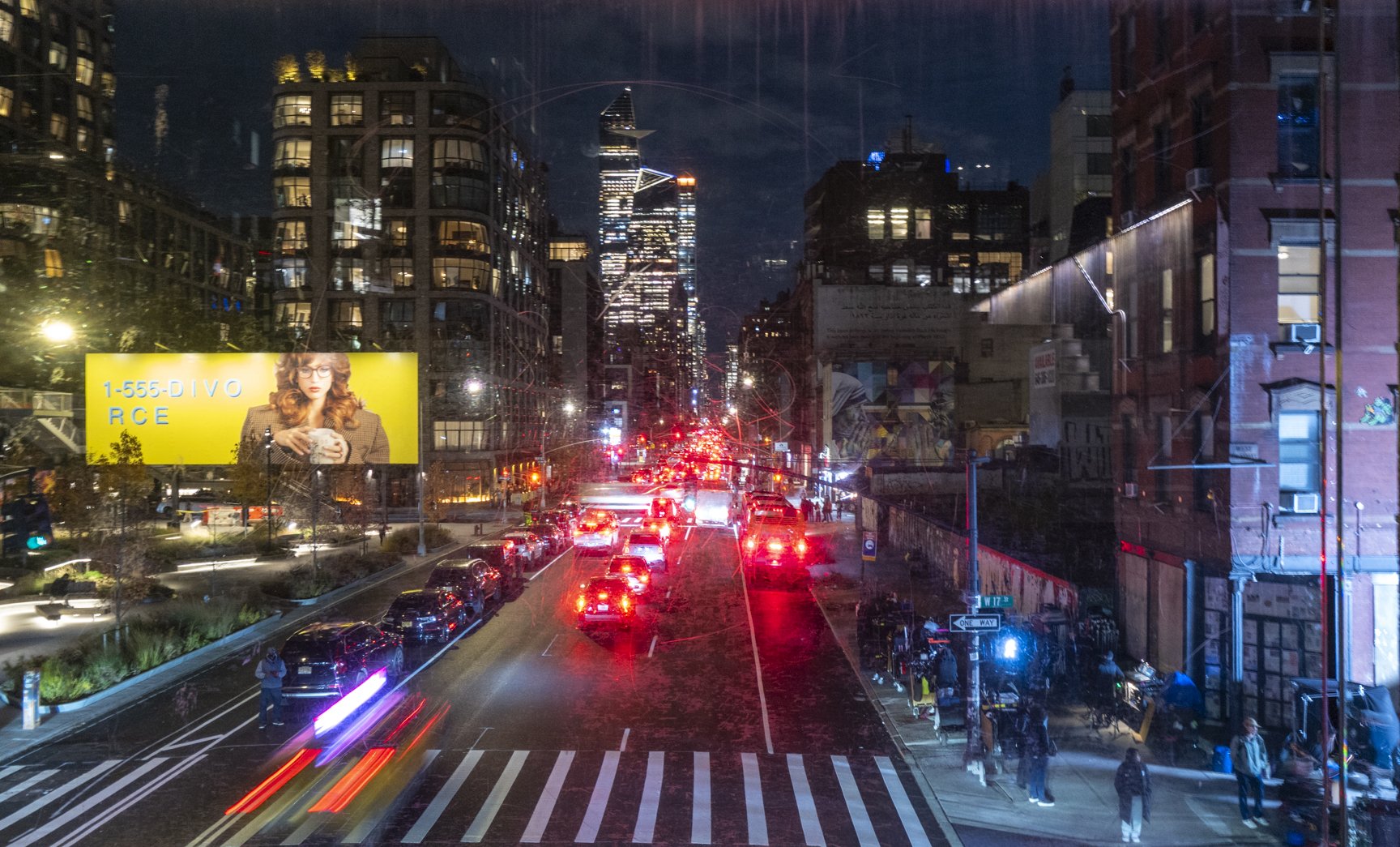
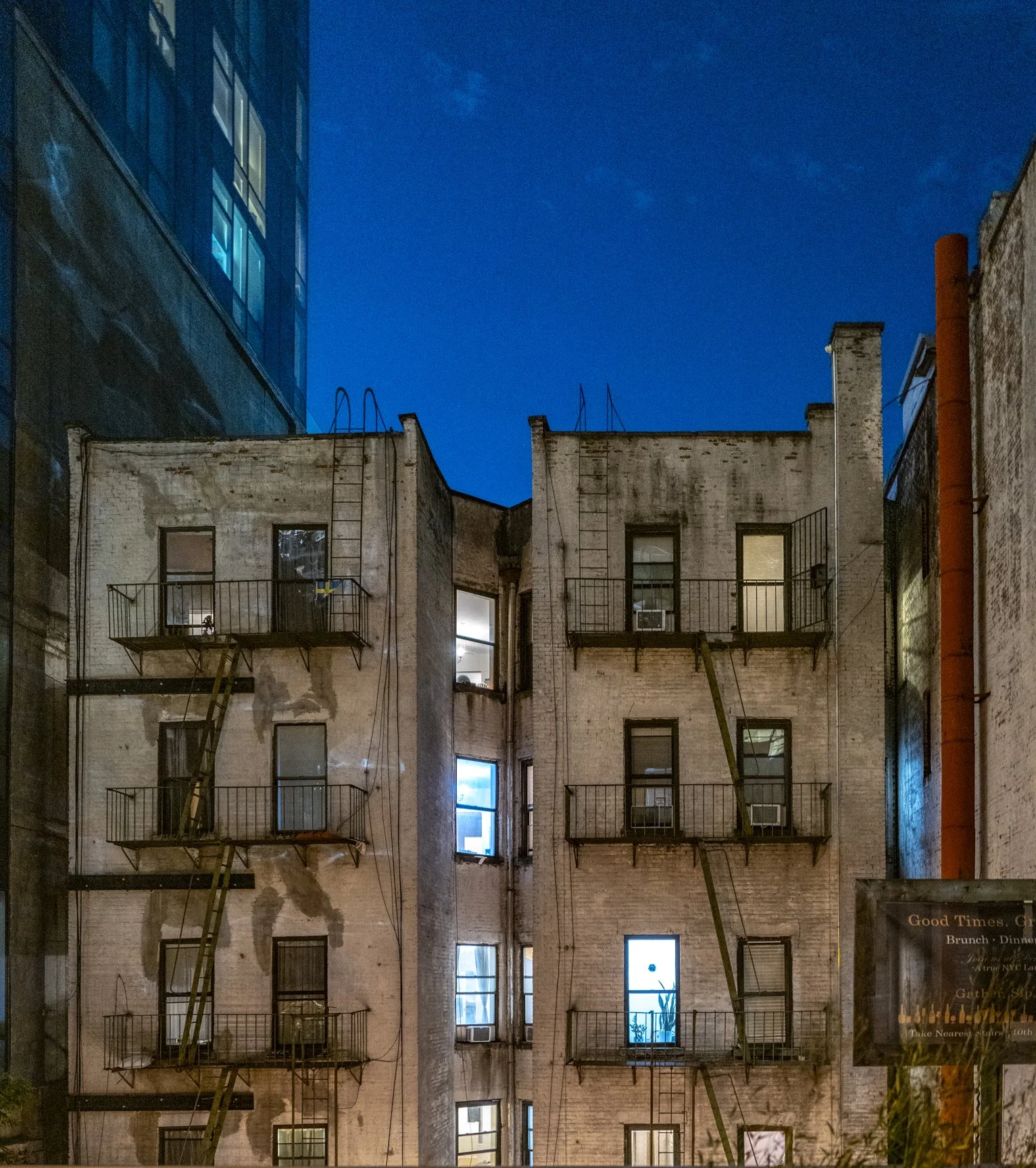
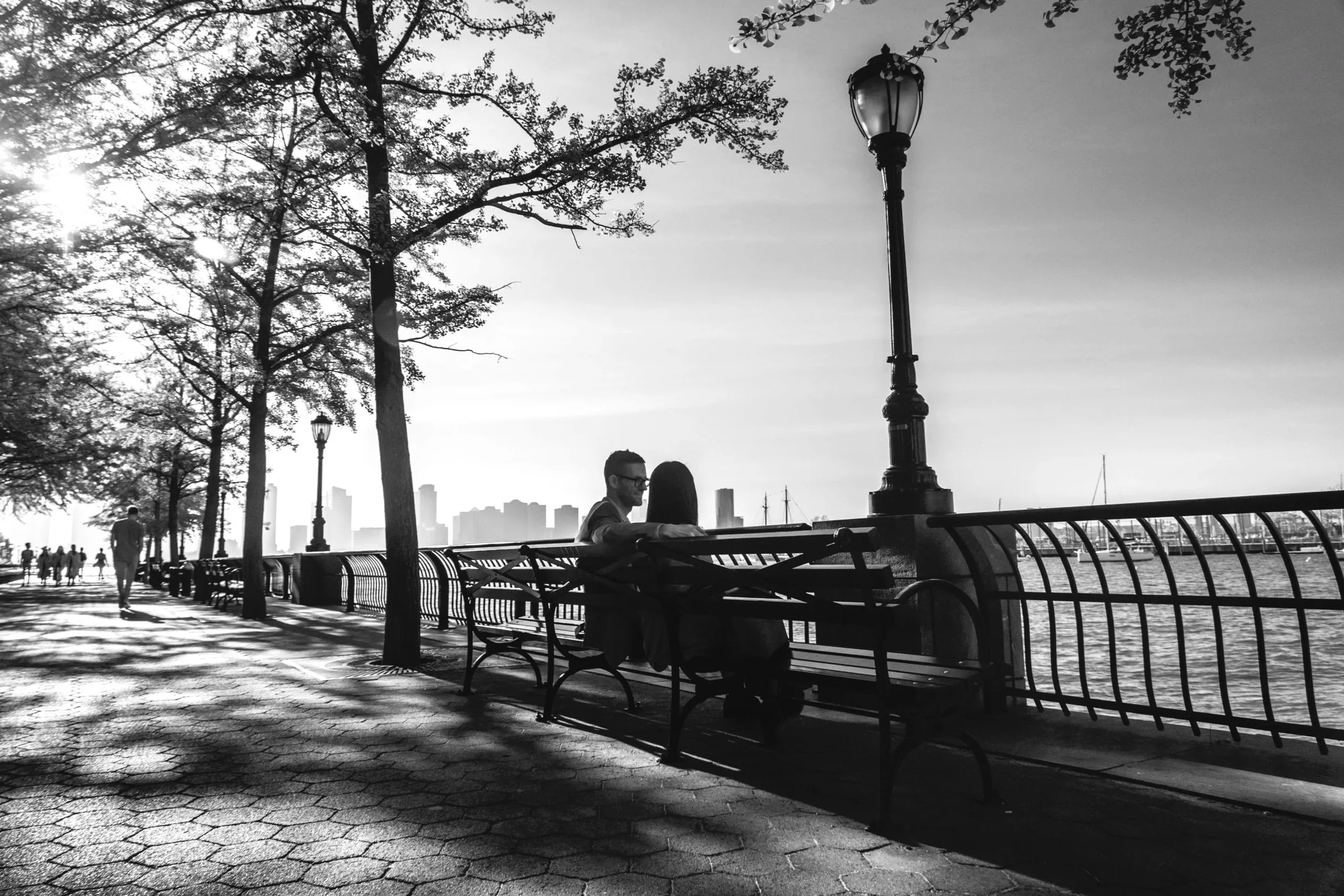
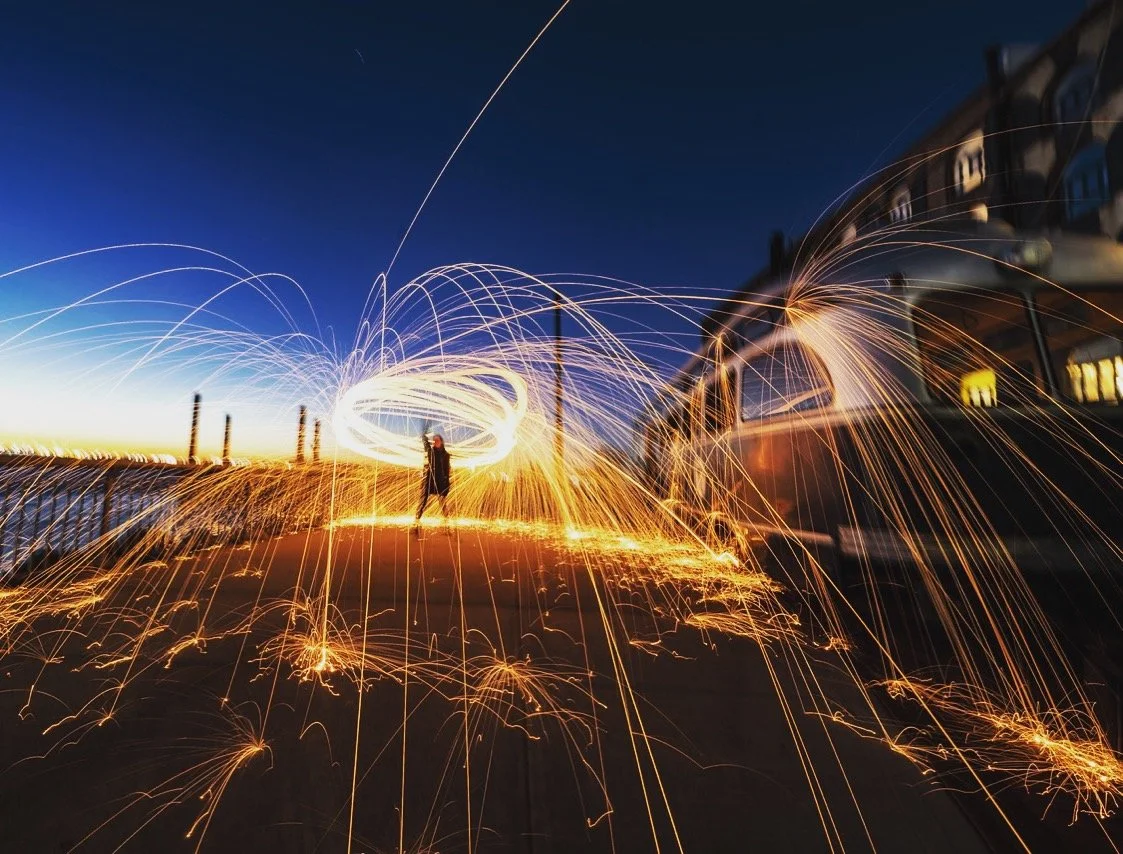
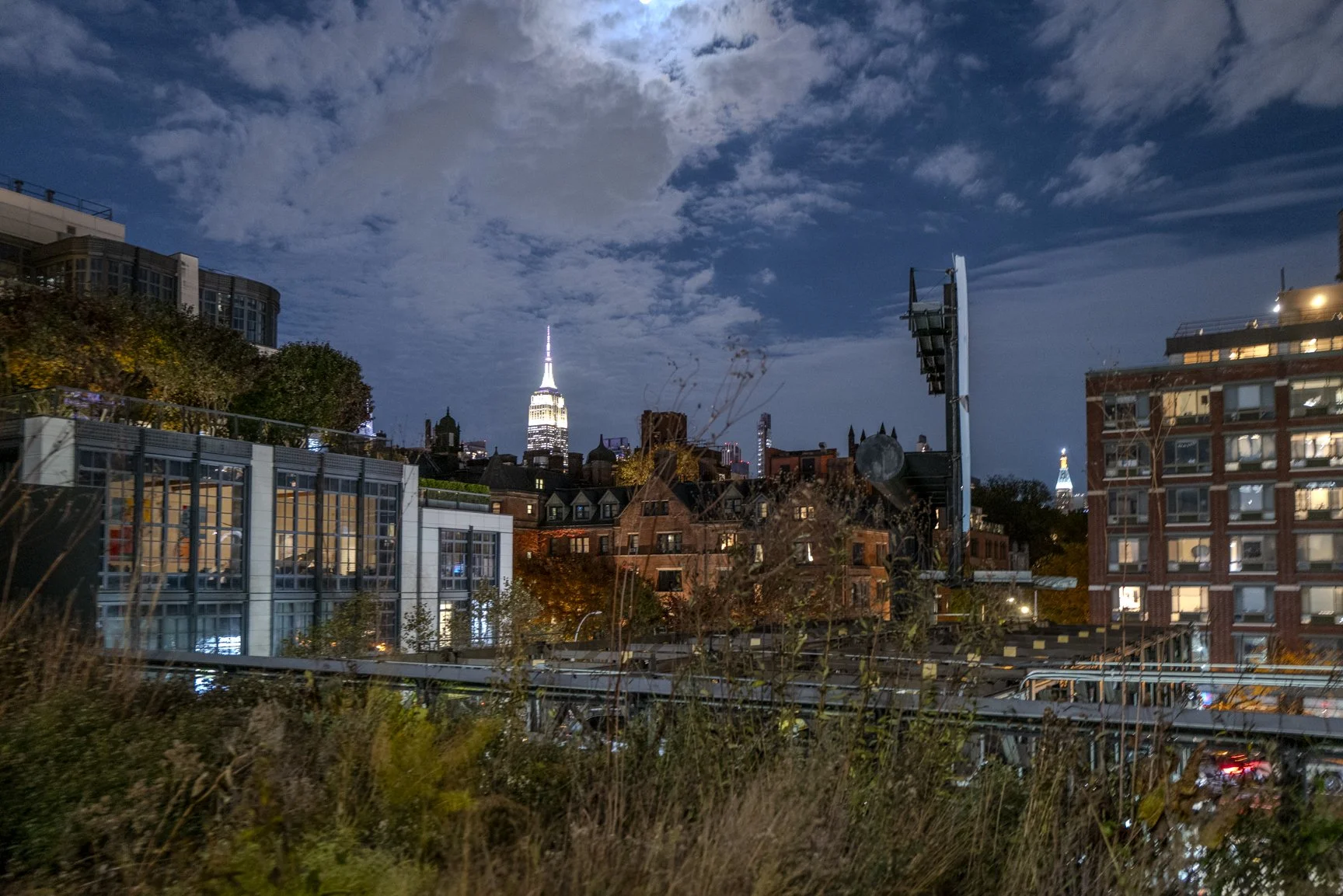
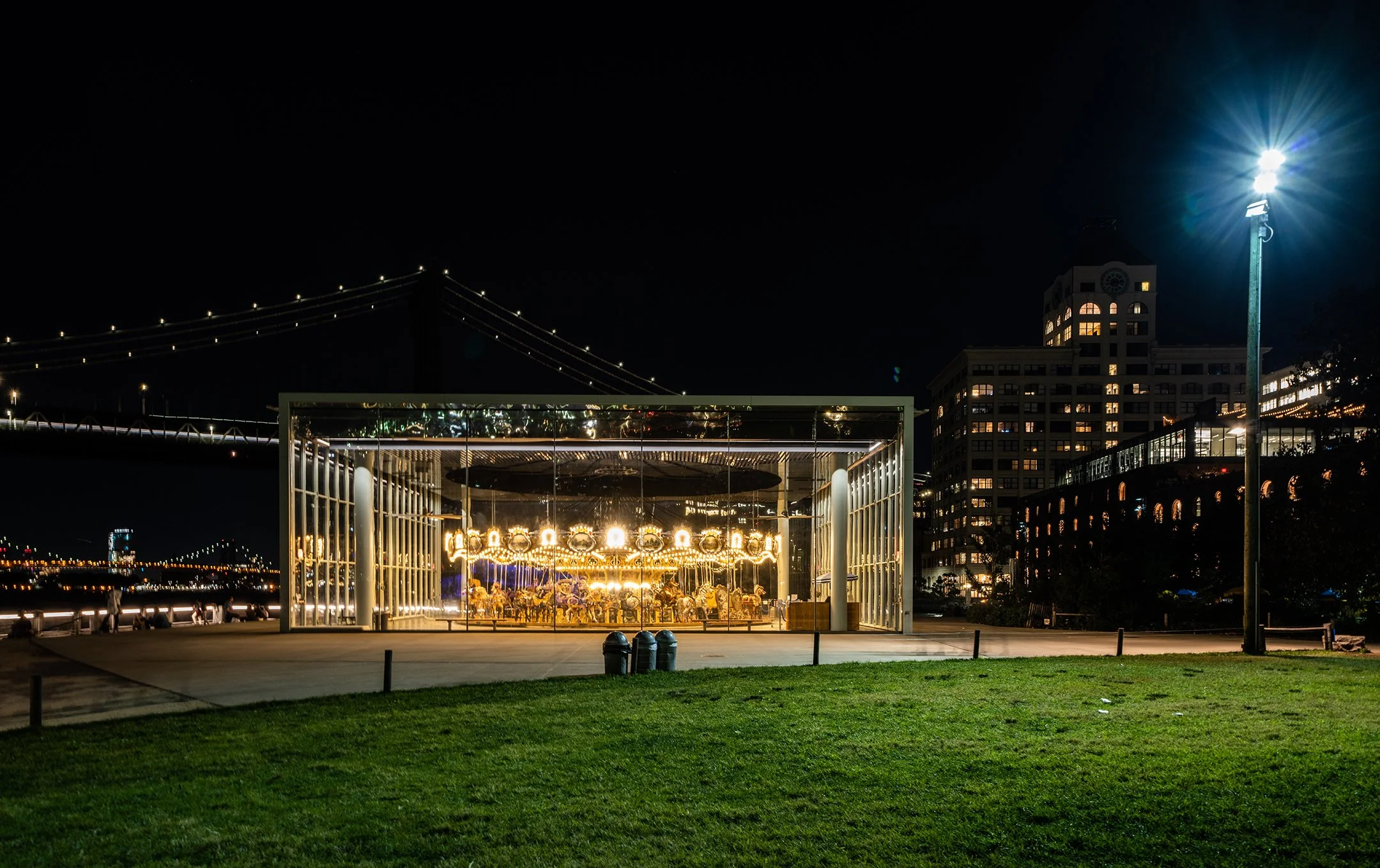
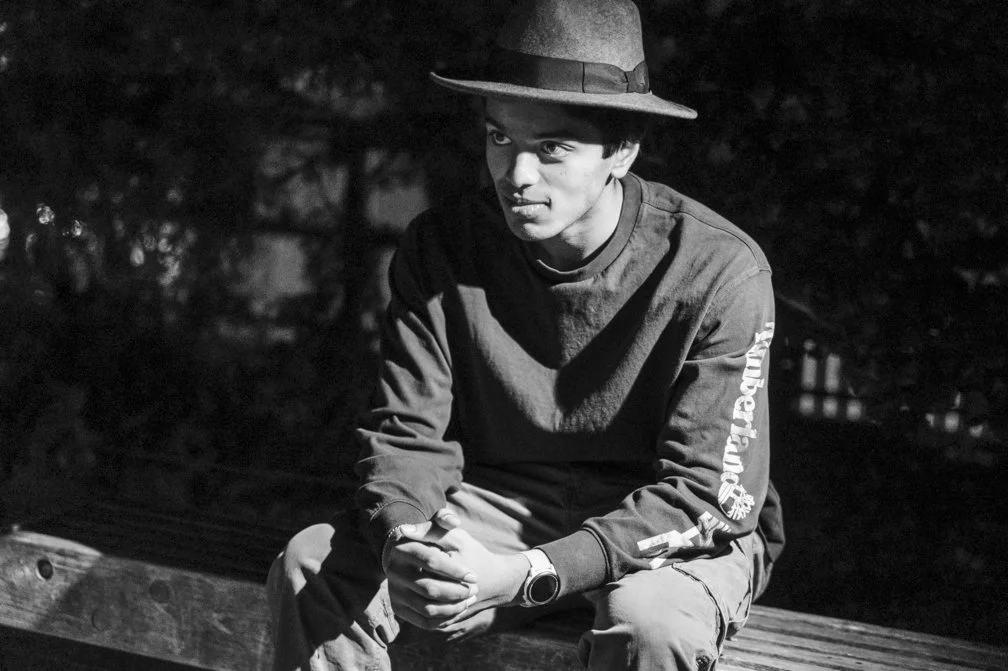
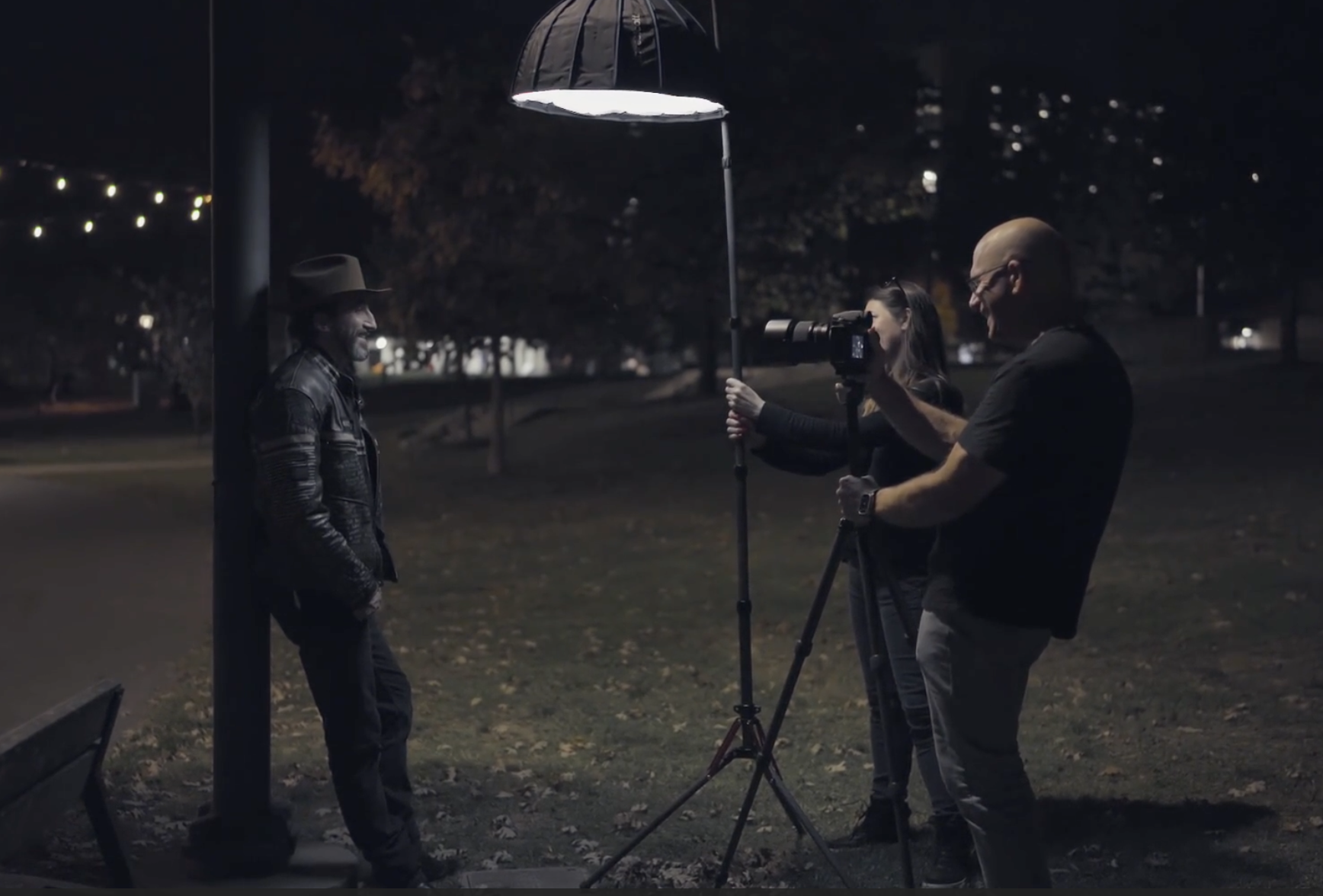
Discover the cinematic power of night photography in Noir NYC: Storytelling After Dark, is designed for photographers who want to create moody images in color and black and white. Set against the atmospheric backdrops of New York City and Brooklyn, learn to document place and craft visual narratives using both found light—neon signs, streetlamps, headlights—and controlled artificial lighting. This course is perfect for photographers looking to elevate their night work and create images that feel timeless and dramatic. Join photographer, Karen Haberberg, and transform the city after dark into your personal film noir set.
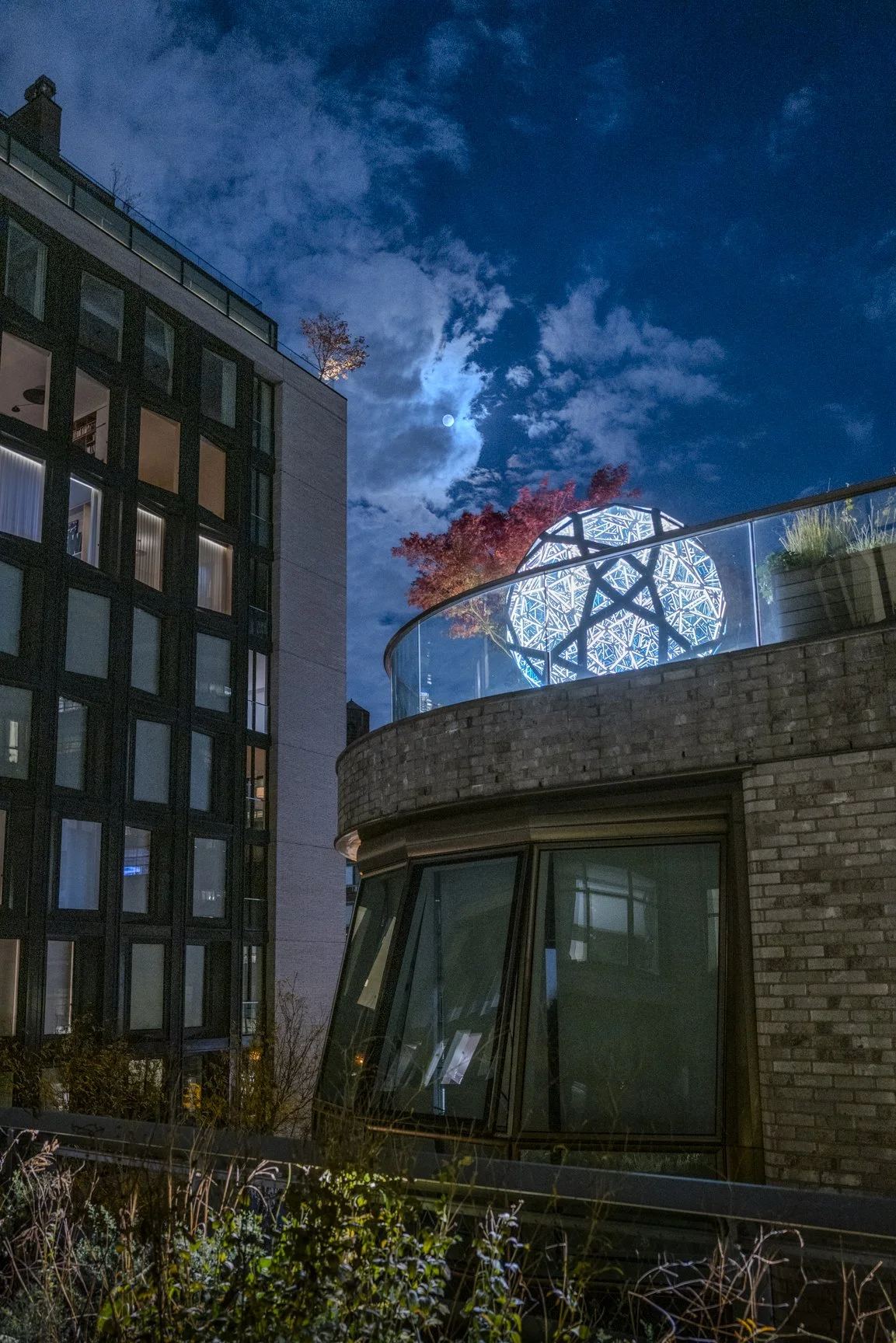
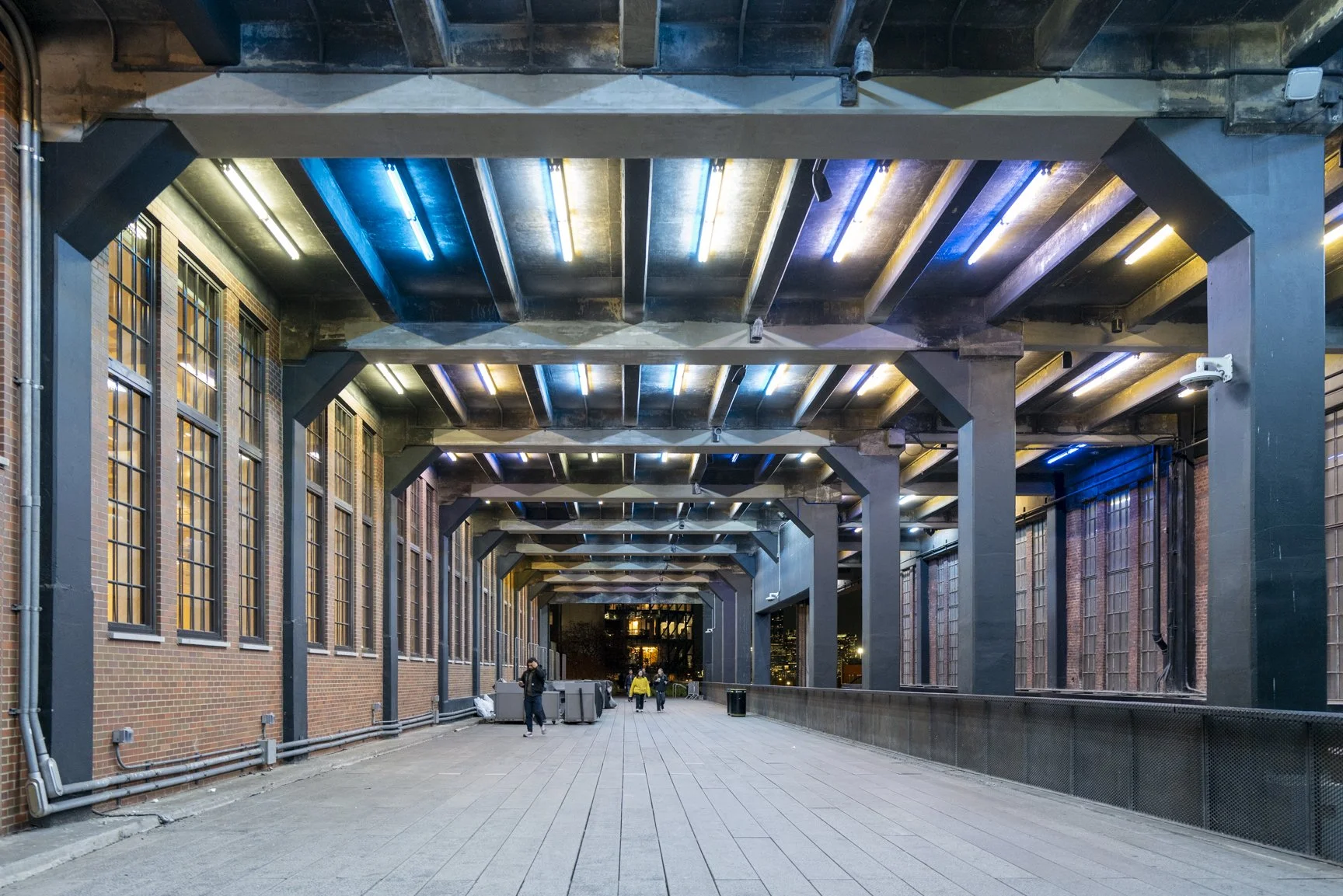
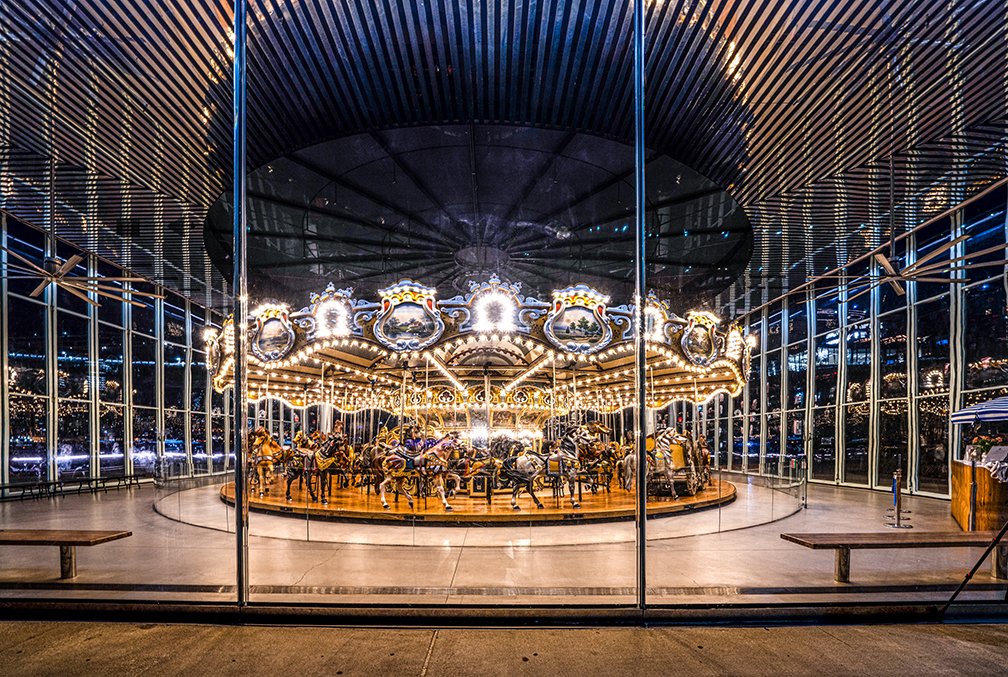
SCHEDULE IS SUBJECT TO CHANGE BASED ON WEATHER. I will email you two days before the class time where we will be meeting. If on the day of the class weather is questionable, please check your email in case we need to change the location. Possible shooting location options: Coney Island, Dumbo, Harlem, The High Line, Financial District, Chinatown, Central Park, Lower East Side, RedHook, Long Island City. Please be timely. If we are on location and you are running late please text me at 917-541-3103.
Each week, please bring your camera with a charged battery and memory card. Also make sure to upload 10 images to the shared dropbox (that you have shot during the class).
CLASS 1: Nov 2
Welcome & introductions, Review syllabus, Slideshow, Discussion of Camera settings and equipment. Walk around the ‘hood if time permits.
Download a photo editing software to your phone or laptop that you plan to use during the class.
HW - Join Drive to download images
CLASS 2: Nov 9
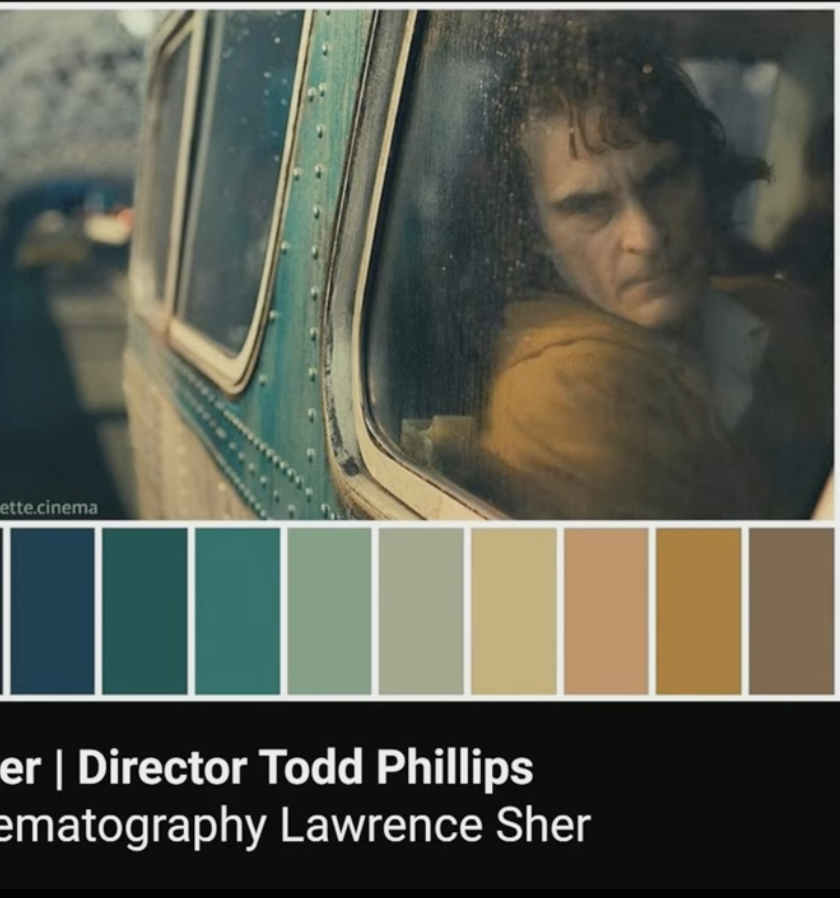
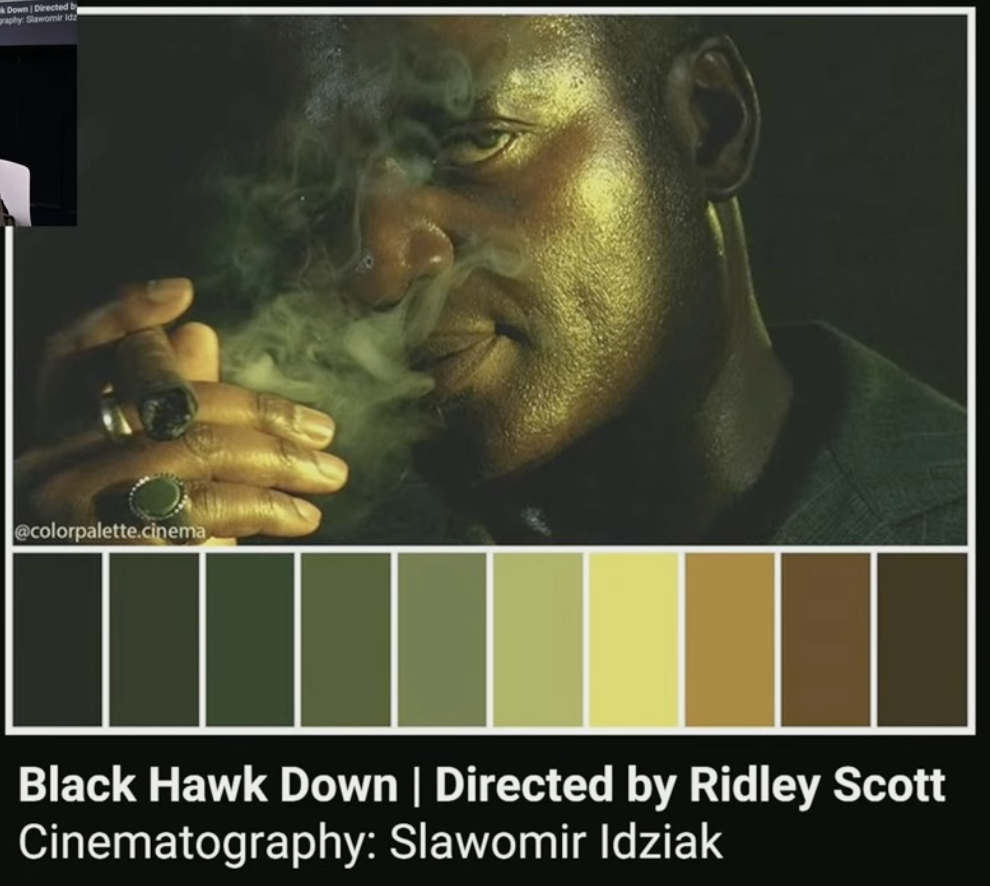
Learn to look for specific scenes for your images. Consider lighting, mood, framing and subject. What story are you trying to tell?
Handout: Lighting & Posing
CLASS 3: (NO CLASS ON NOV 16)- Class 3 will be Nov 23
HW: Please bring any props appropriate for our photo shoot.
CLASS 4: Nov 30
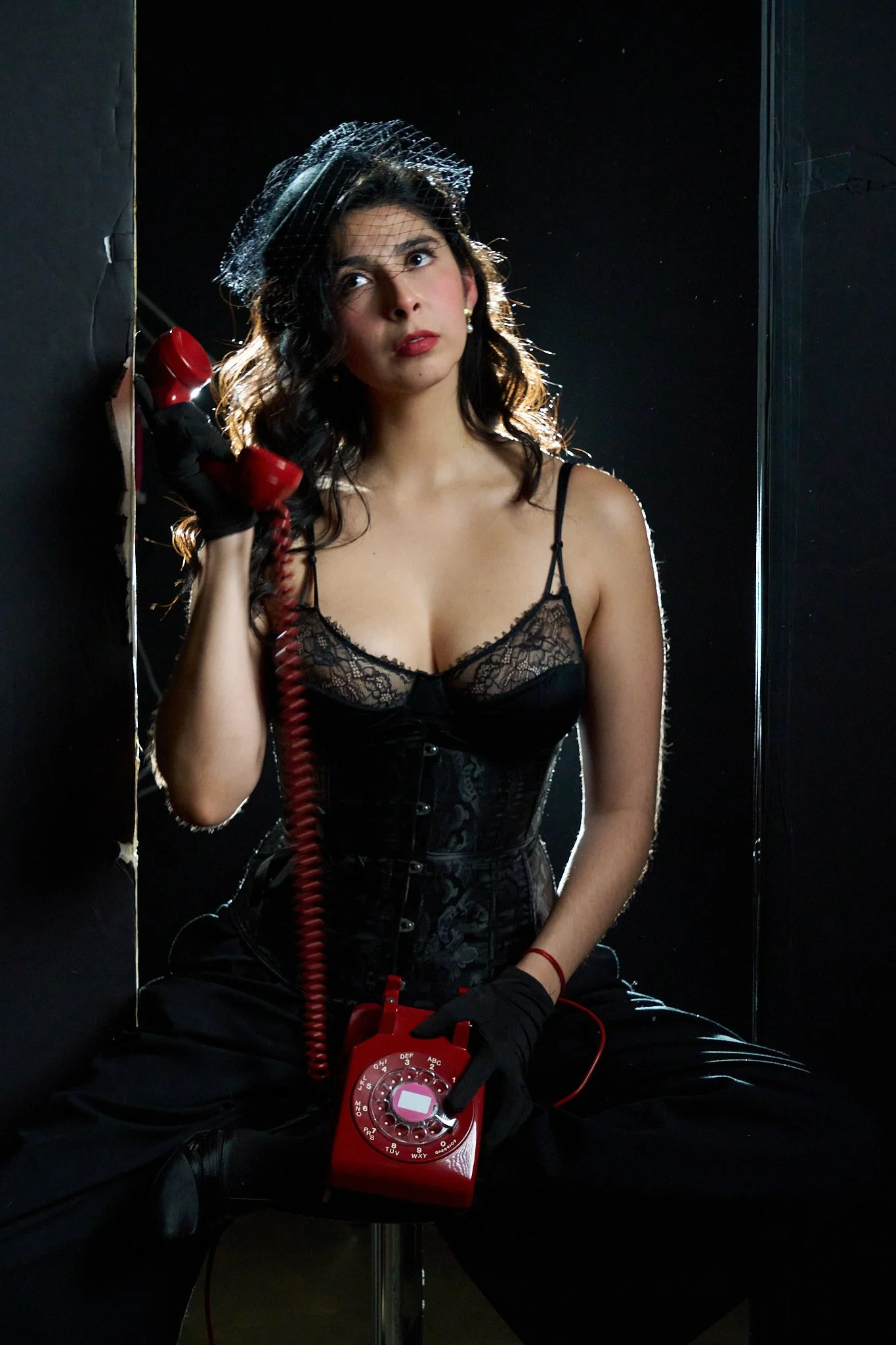
Photoshoot with Model
Learn how to set up lights and control the scene in this studio class.
HW: Look for film noir images and or photographers that resonate with you. Bring to class images or a link to a photographer to share with the class that you admire.
HW: Please bring images you would like help editing to the next class. Approximately 15 - 30.
CLASS 5: Dec 2 - MAKEUP CLASS
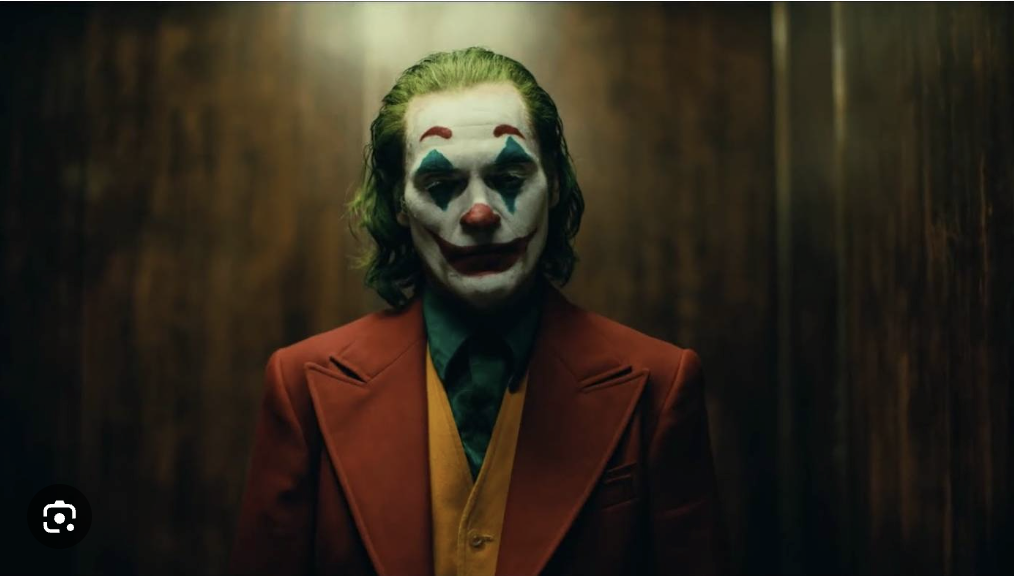
Handout: Using editing tools to create moody cinematic imagery.
The last class typically will involve editing and reviewing images. Review images, Editing & The Selection process
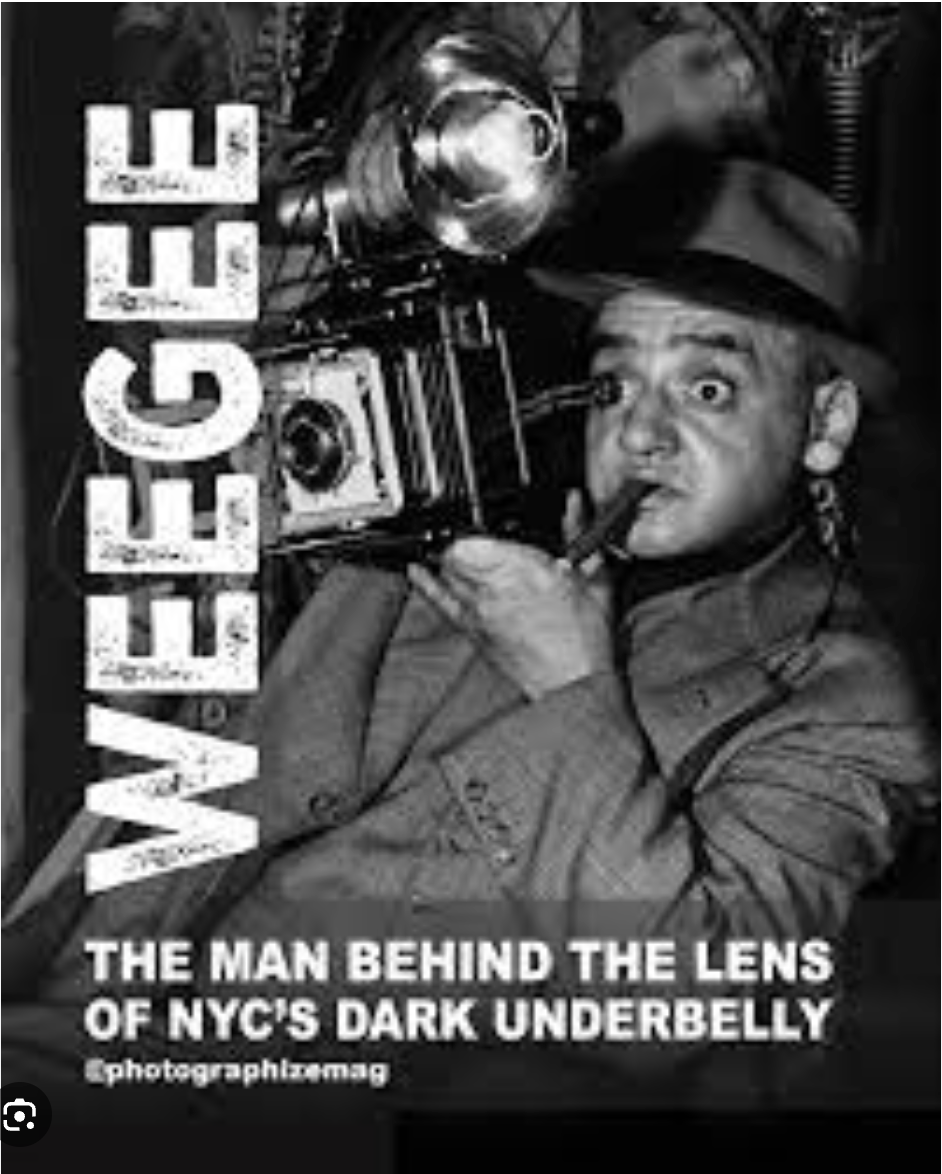
Arthur Fellig—better known as Weegee—was a self-taught photojournalist whose stark, flash-lit black-and-white images of 1930s and 1940s New York City crime scenes deeply shaped and predated the aesthetic of film noir.
The Weegee Noir Style
Nocturnal Prowling: Working out of Manhattan's Lower East Side, Weegee equipped his car with an official police/fire shortwave radio and a mobile darkroom in the trunk, allowing him to arrive at murders, fires, and car wrecks often before or alongside first responders.
Harsh Chiaroscuro Flash: Using a 4x5 Speed Graphic camera with a harsh, direct flashbulb set to fixed focus (typically f/16 at 6 or 10 feet), he created high-contrast lighting that cast deep, dramatic shadows against asphalt and brick—a visual signature later adopted by Hollywood noir cinematographers.
Human Drama & Onlookers: Rather than focusing purely on gore, Weegee famously turned his lens toward the crowd—the emotional, rubbernecking reactions of tenement residents, children in pajamas, cops, and mourners caught in the glaring light of his flash.
Iconic Publications: His gritty urban portraits culminated in landmark photo books like Naked City (1945) and Weegee's People (1946), which the Whitney Museum of American Art and archives at the International Center of Photography preserve as defining documents of mid-century Gotham.
Influence on Film Noir
Predating the Genre: Weegee's peak tabloid work in the late 1930s and early 1940s unfolded before classic Hollywood film noir crystallized on screen. In many ways, Hollywood noir cinematographers and lighting technicians borrowed their visual cues from real-world police reporters and crime-scene photographers like Weegee.
Direct Hollywood Ties: Later in his career, Weegee moved to Hollywood, working on motion pictures and famously roaming the set of Stanley Kubrick’s 1964 satirical classic Dr. Strangelove, where he applied his stark flash aesthetic to still photography of the war room
—————————
Naked City is a groundbreaking 1945 documentary photobook by American photojournalist Arthur "Weegee" Fellig that captures the gritty, nocturnal underbelly and vibrant street life of 1940s New York City.
The Author: Arthur Fellig earned the nickname "Weegee"—a phonetic spelling of the Ouija board—because of his uncanny ability to arrive at New York City crime scenes, fires, and emergencies right along with or even before the police.
The Content: Published by Essential Books in 1945, Naked City was Weegee’s first major collection. It features stark, dramatic black-and-white flash photography capturing the nocturnal, gritty, and sensational underbelly of 1940s New York City.
Scope of Scenes: While famous for shocking crime scenes, murders, and sudden accidents, the book also portrays everyday human life, spanning late-night diners, the Bowery, opera-goers, crowds at Coney Island, and the destitute.
Legacy: The book was an immediate runaway bestseller that transformed Weegee from a gritty tabloid freelancer into a recognized artistic celebrity. It later inspired the classic 1948 film noir The Naked City and remains widely studied as a masterpiece of documentary photography
——————————
Brassaï (1899-1984), born Gyula Halász in Transylvania, was a Hungarian-French photographer, writer, and filmmaker famous for documenting Paris at night in the 1930s, capturing its hidden, gritty, and poetic side through iconic photos of nightlife, graffiti and high society. He used techniques like long exposures and available light to reveal the city's secret truths, publishing his seminal work Paris de Nuit (Paris by Night) in 1932, and befriending artists like Picasso and Dalí.
Key Aspects of Brassaï's Work:
• Paris by Night: His most famous subject, capturing lovers, prostitutes, street cleaners, and empty alleys under streetlights, revealing a different Paris.
• Realism & Surrealism: His photos often had a raw, dreamlike quality, blending photojournalism with artistic vision, and he was associated with the Surrealist movement.
• Graffiti: He was fascinated by graffiti, seeing it as raw, poetic art, and documented it extensively in his books.
• Other Subjects: He also photographed high society, intellectuals, circuses, sculptures, and his famous artist friends like Picasso.
Background:
• Name: Adopted the pseudonym Brassaï, meaning "from Brassó," his Transylvanian birthplace.
• Early Life: Studied art in Budapest and Berlin before moving to Paris in 1924, initially working as a journalist.
• Artistic Circle: Became part of the vibrant Parisian art scene, befriending figures like Henry Miller, Picasso, and Dalí.
Legacy:
• Defined the "soul of Paris" through his unique vision.
• His work remains a classic of street photography and a significant cultural record of 1930s Paris.
Classic Photographers & Cinematographers (Mid-20th Century)
• Weegee (Arthur Fellig): Master of nocturnal crime scenes, capturing stark human drama, corpses, and onlookers from fire escapes in NYC
• Brassai: Captured shadowy, atmospheric Parisian nightlife, focusing on street life and urban isolation.
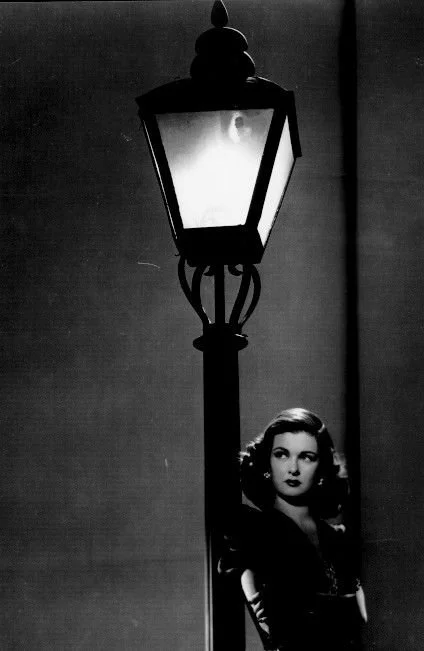
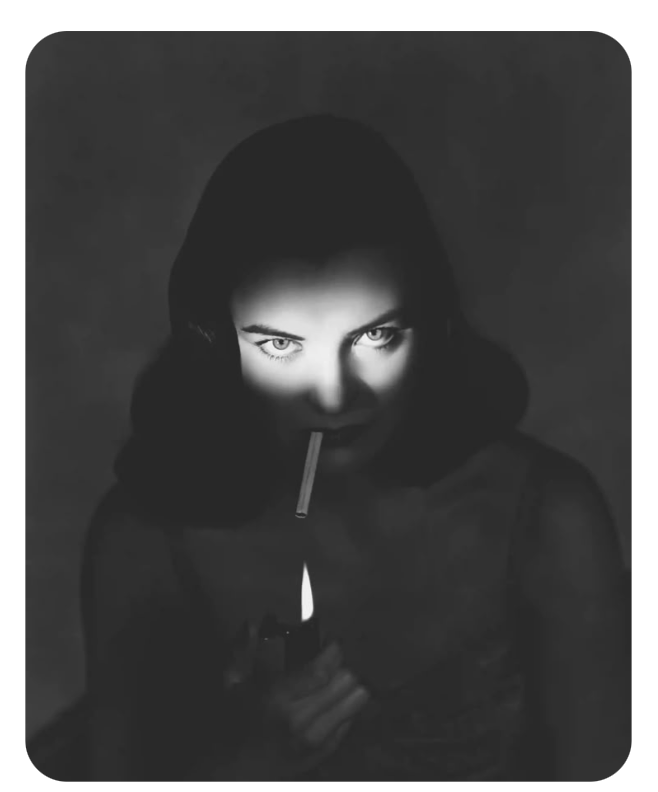
• Robert Coburn: Famous for iconic studio portraits of noir stars like Rita Hayworth (Gilda) and Ella Raines (Phantom Lady).
• John Alton: Legendary cinematographer known for extreme chiaroscuro (light/shadow) in films like T-Men, The Big Combo.
• John F. Seitz: Cinematographer for classics like Double Indemnity and Sunset Blvd., defining the era's visual style.
———————————
Modern & Contemporary "Neo-Noir" Photographers
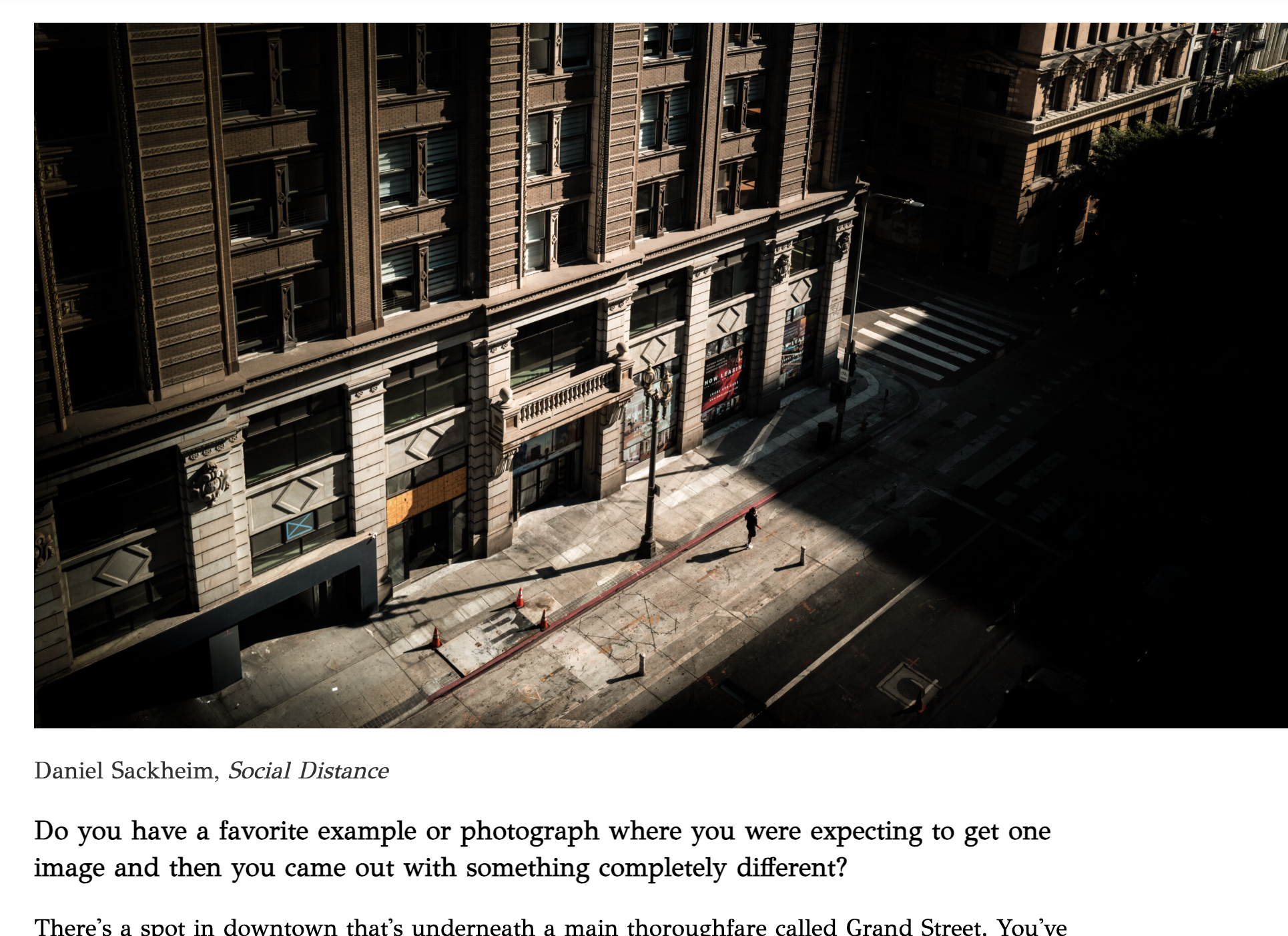
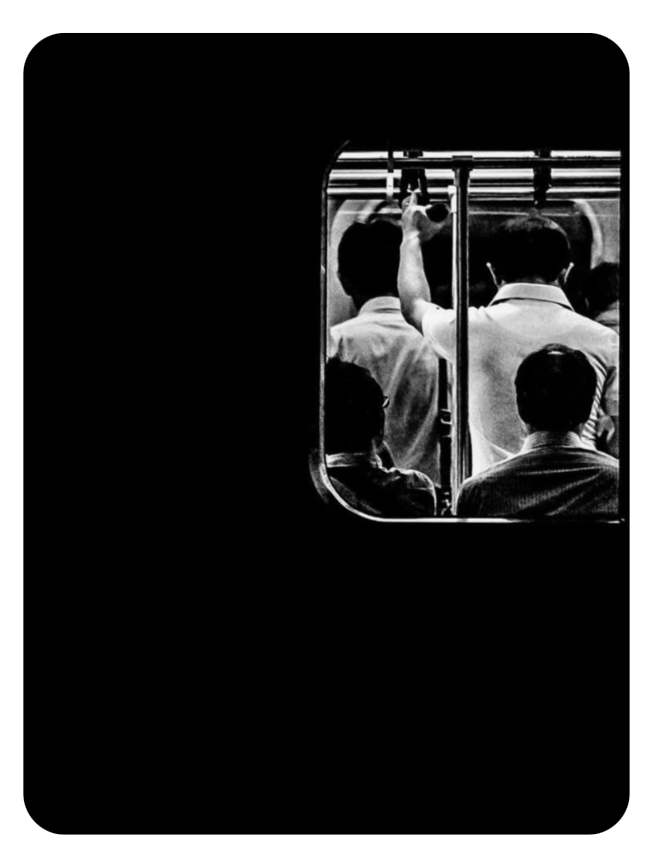
• Daniel Sackheim: Uses noir techniques in street photography, scouting locations and waiting for unfolding drama, as seen in his Tokyo work.
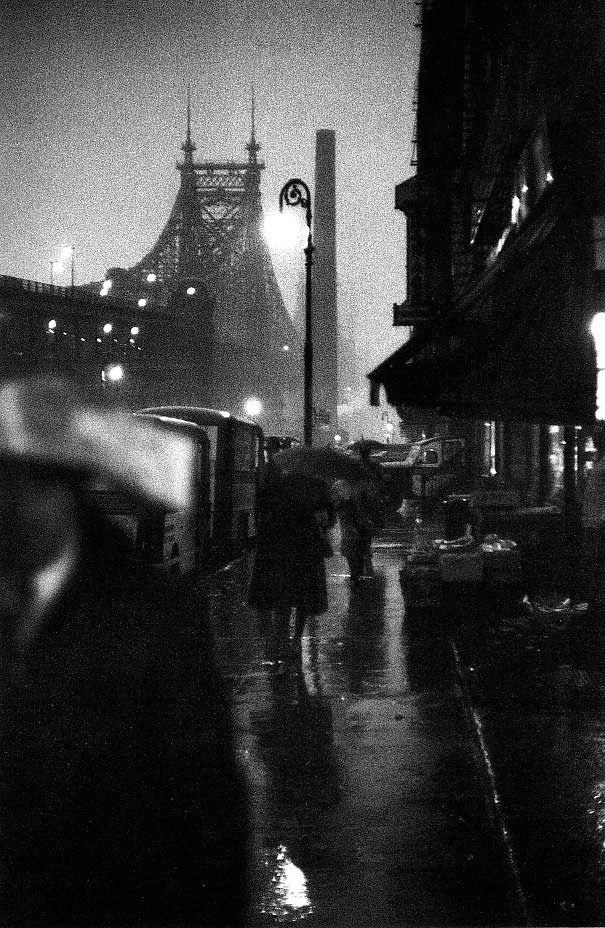
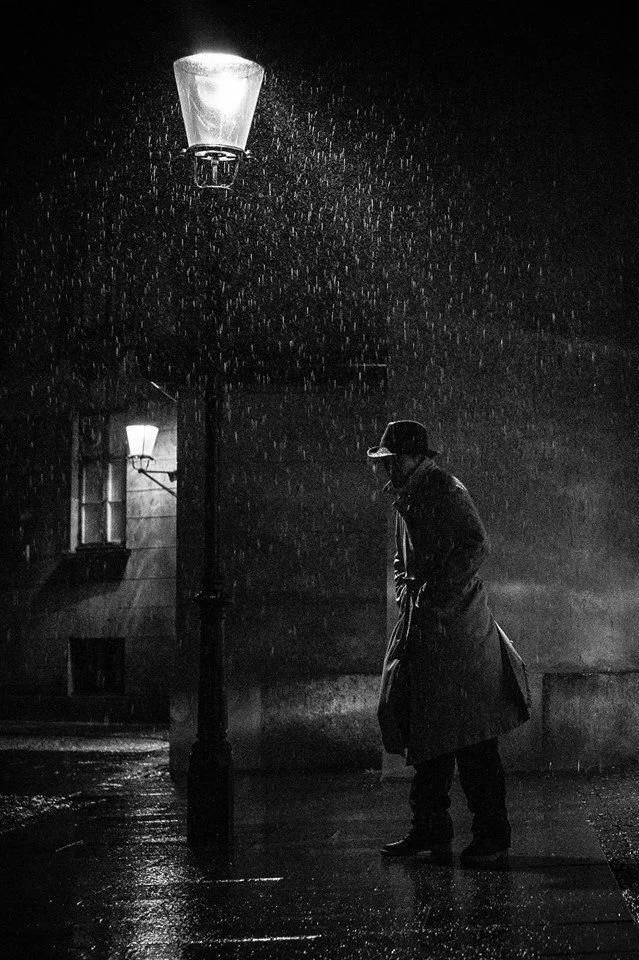
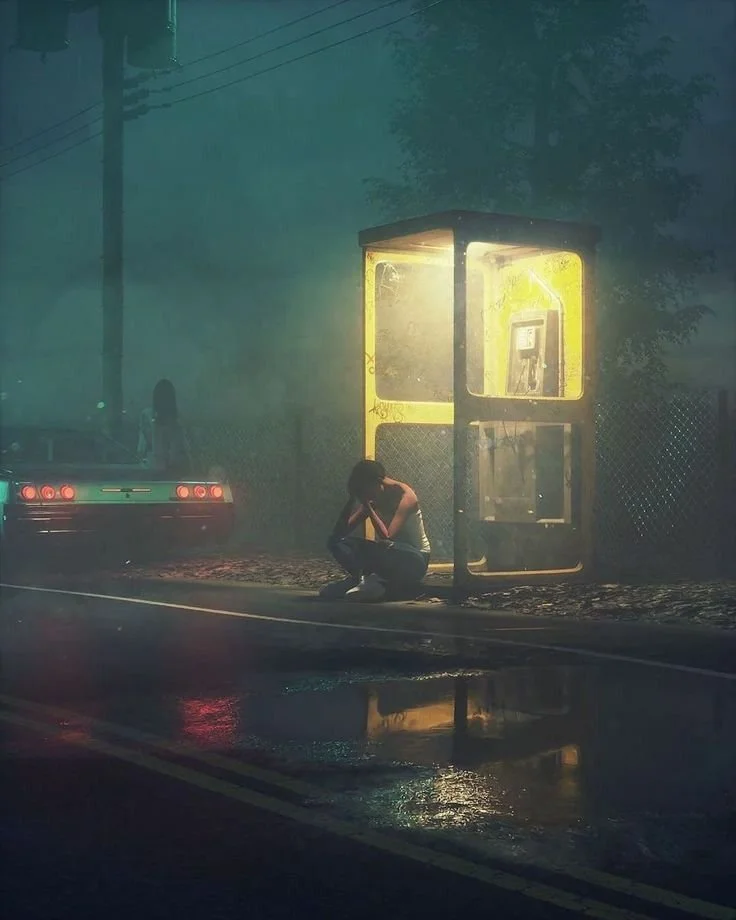
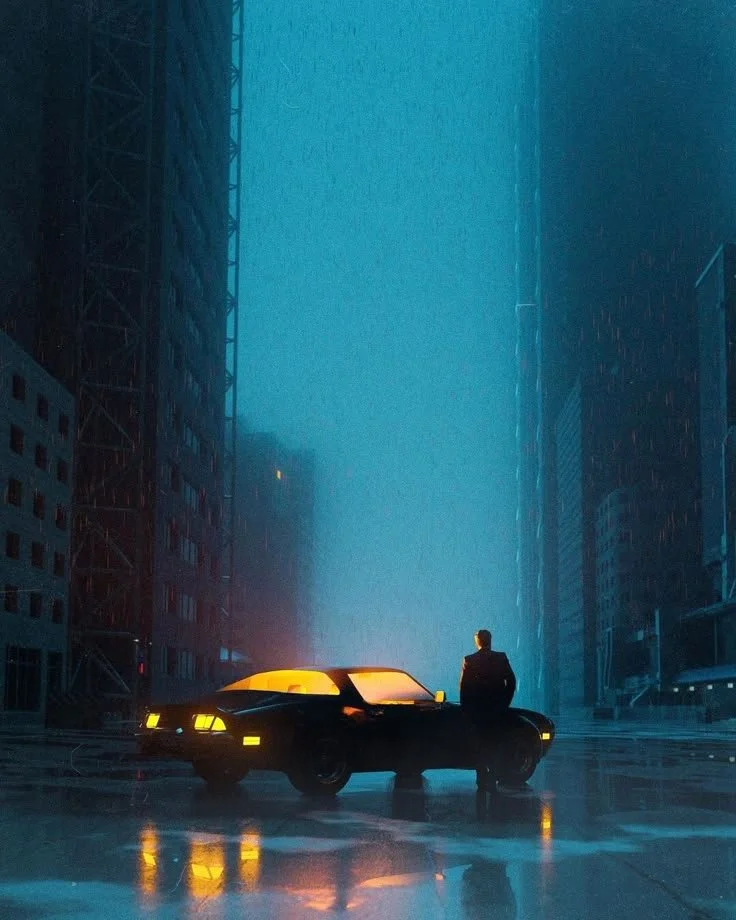
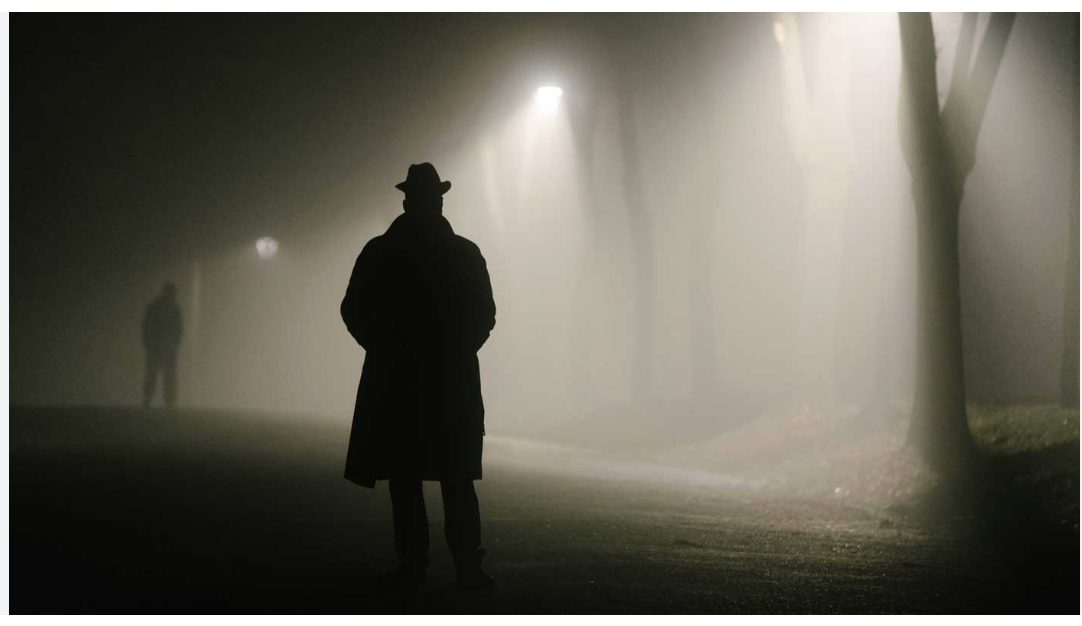
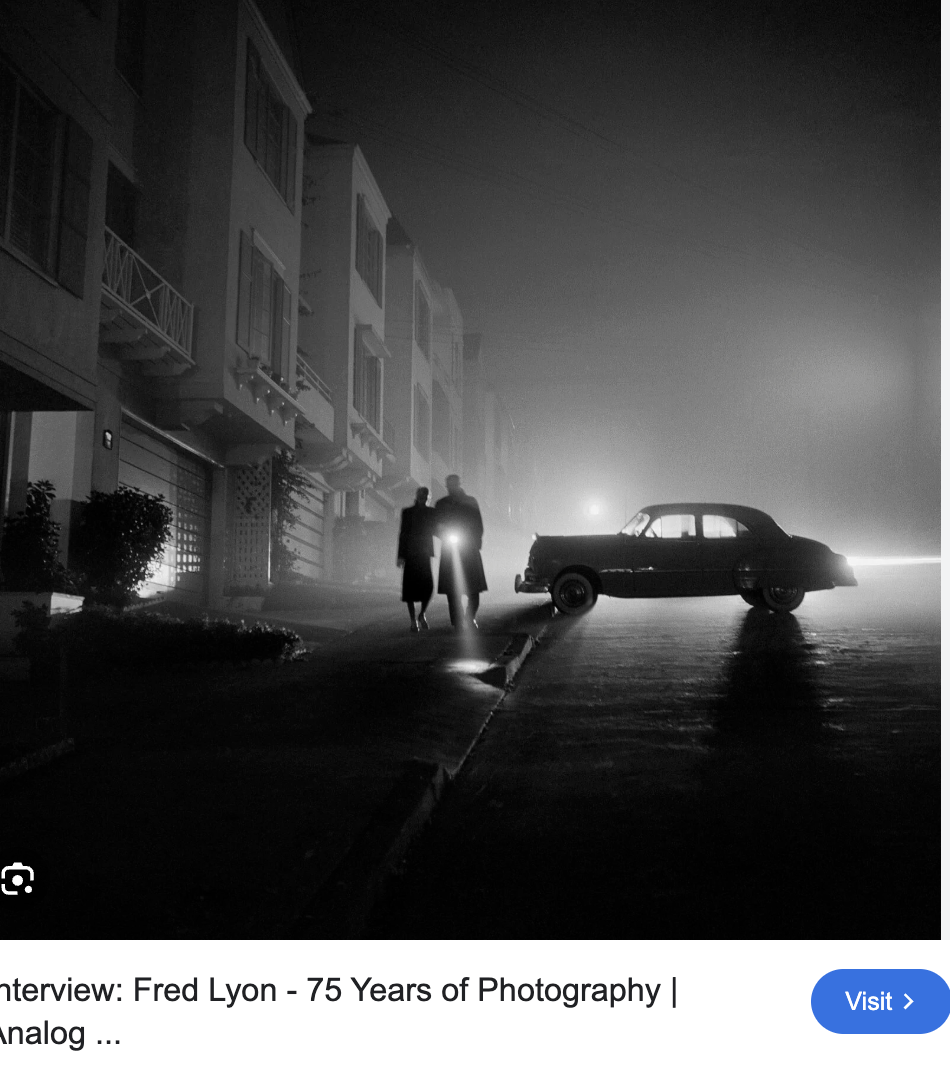
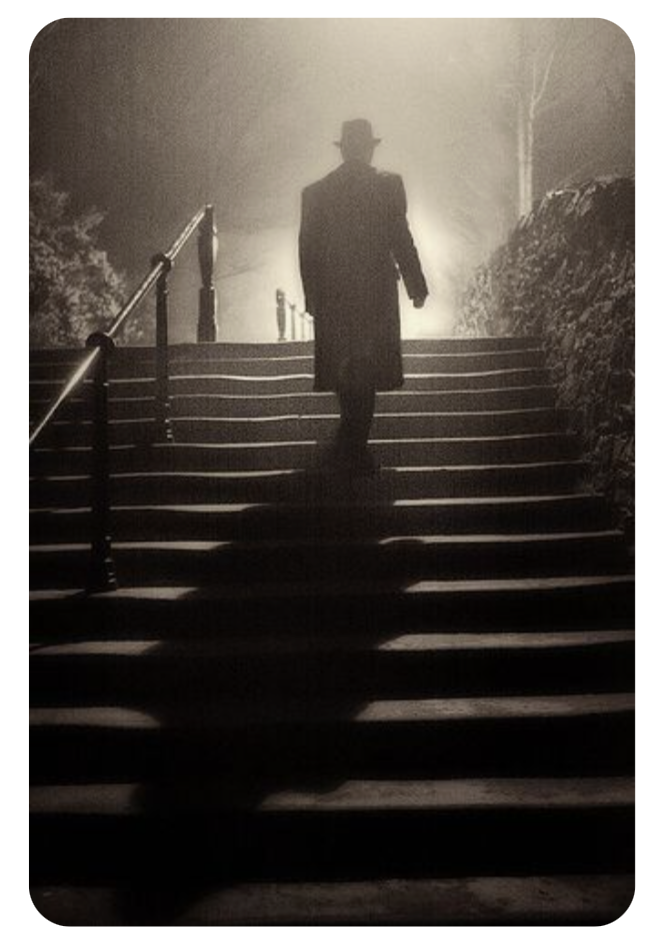
• Nicolas Miller: Captures neo-noir stories in NYC, seeking out rain, fog, and imperfect light to evoke gritty, cinematic moods.
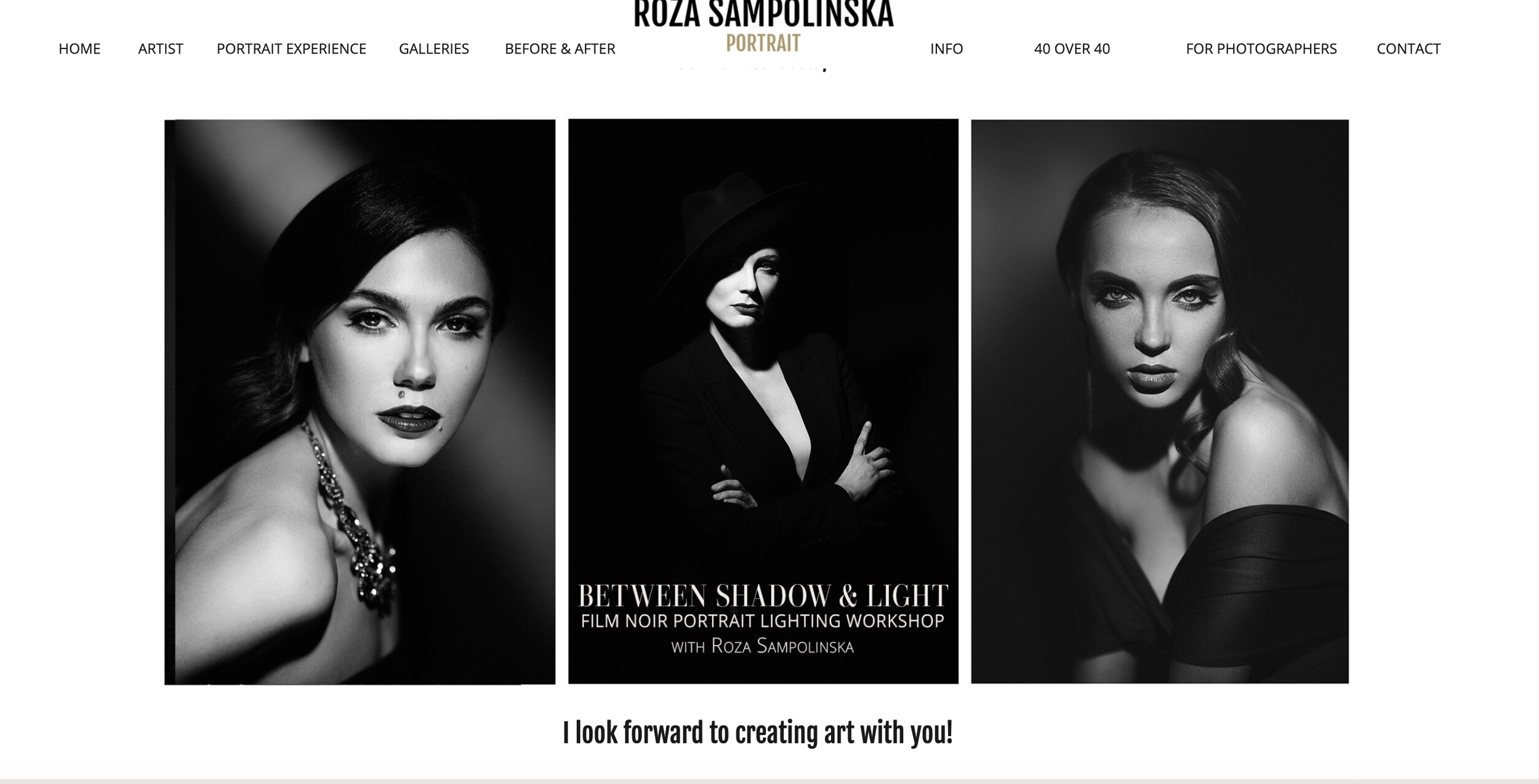
• Alan Weissman: A modern portrait photographer whose studio specializes in recreating classic film noir looks with period props and dramatic lighting.
Key Elements of the Style
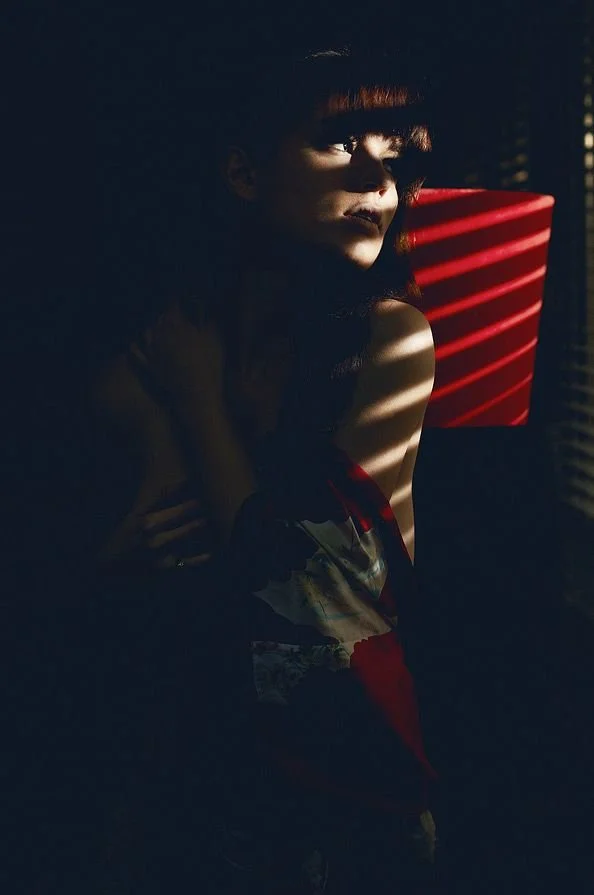
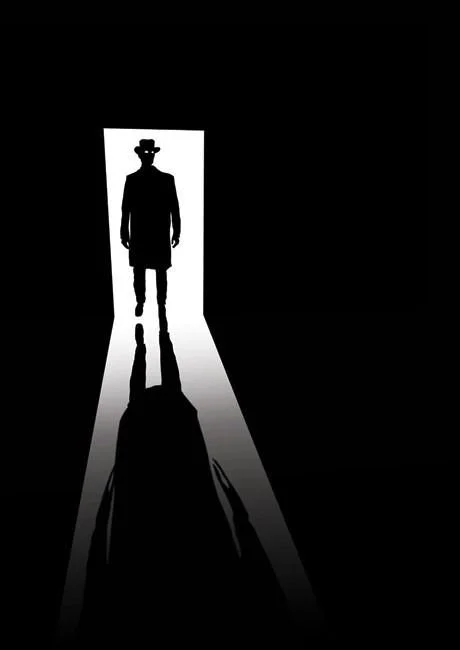
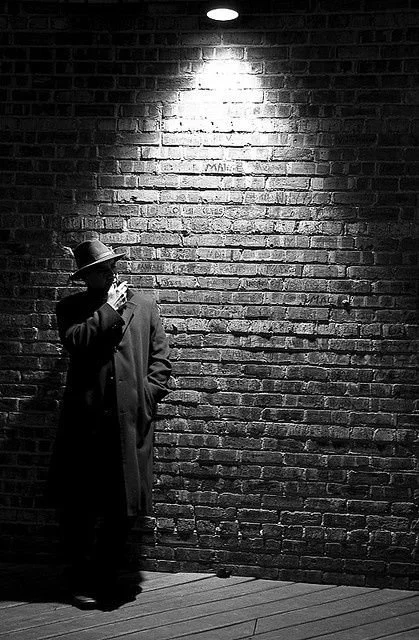
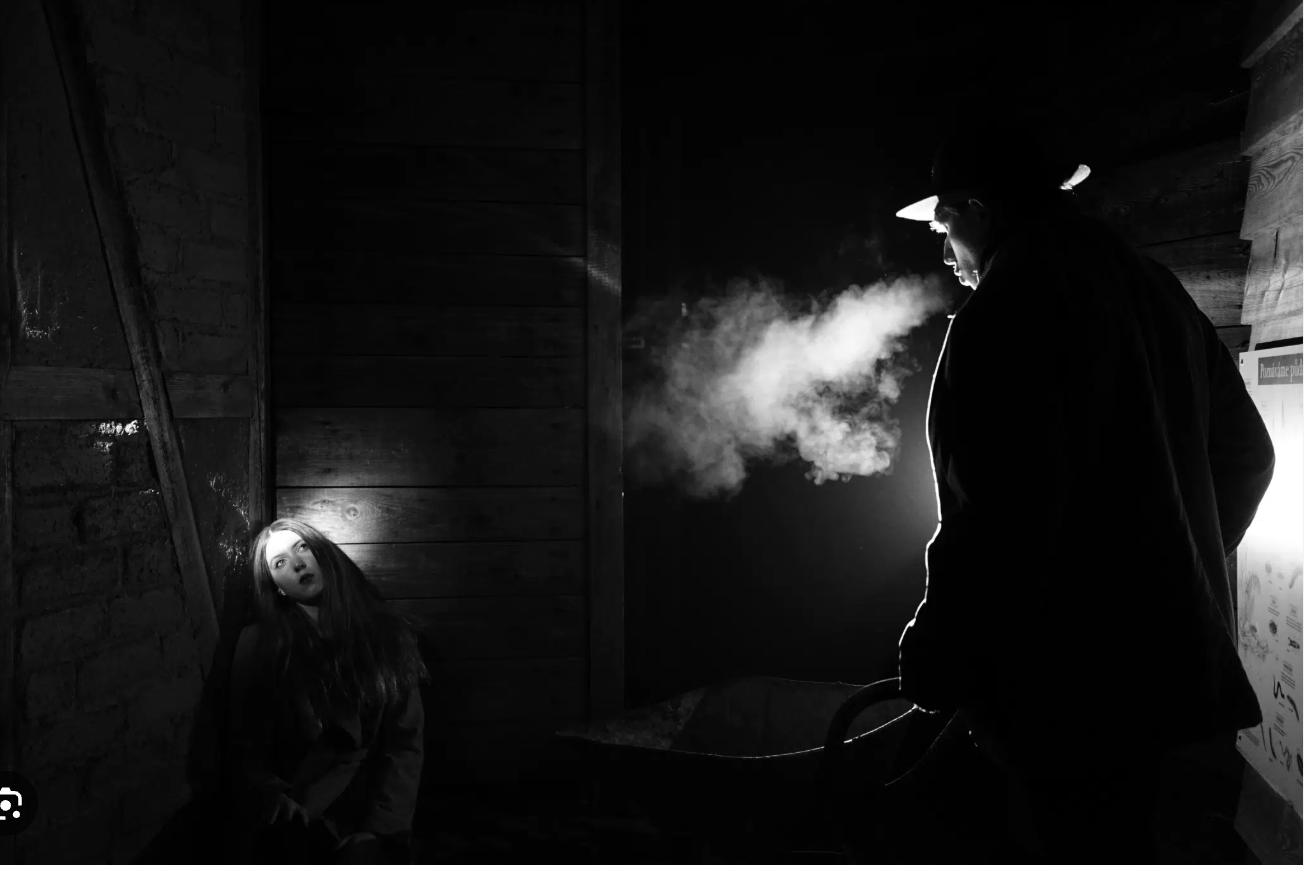
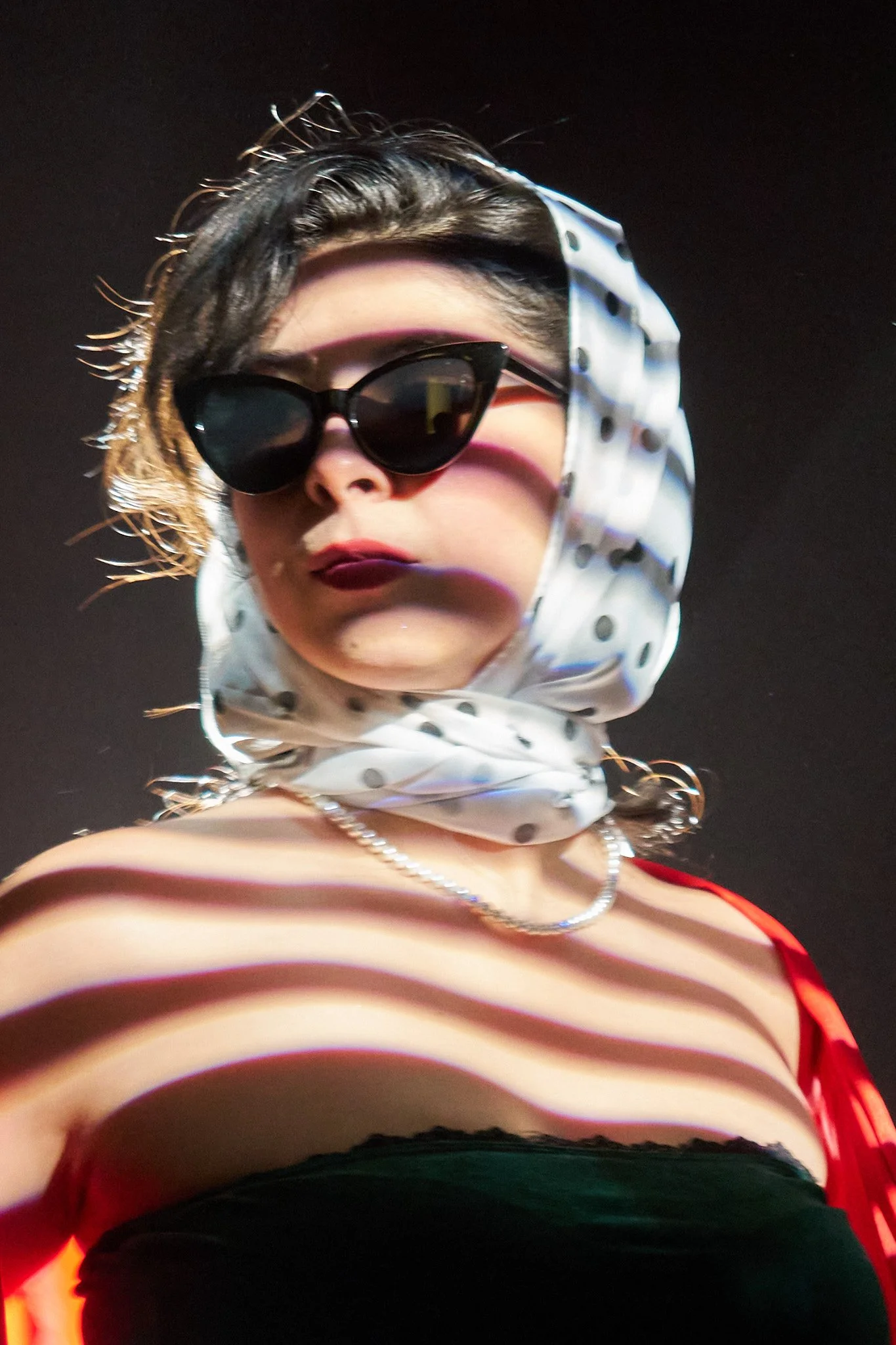
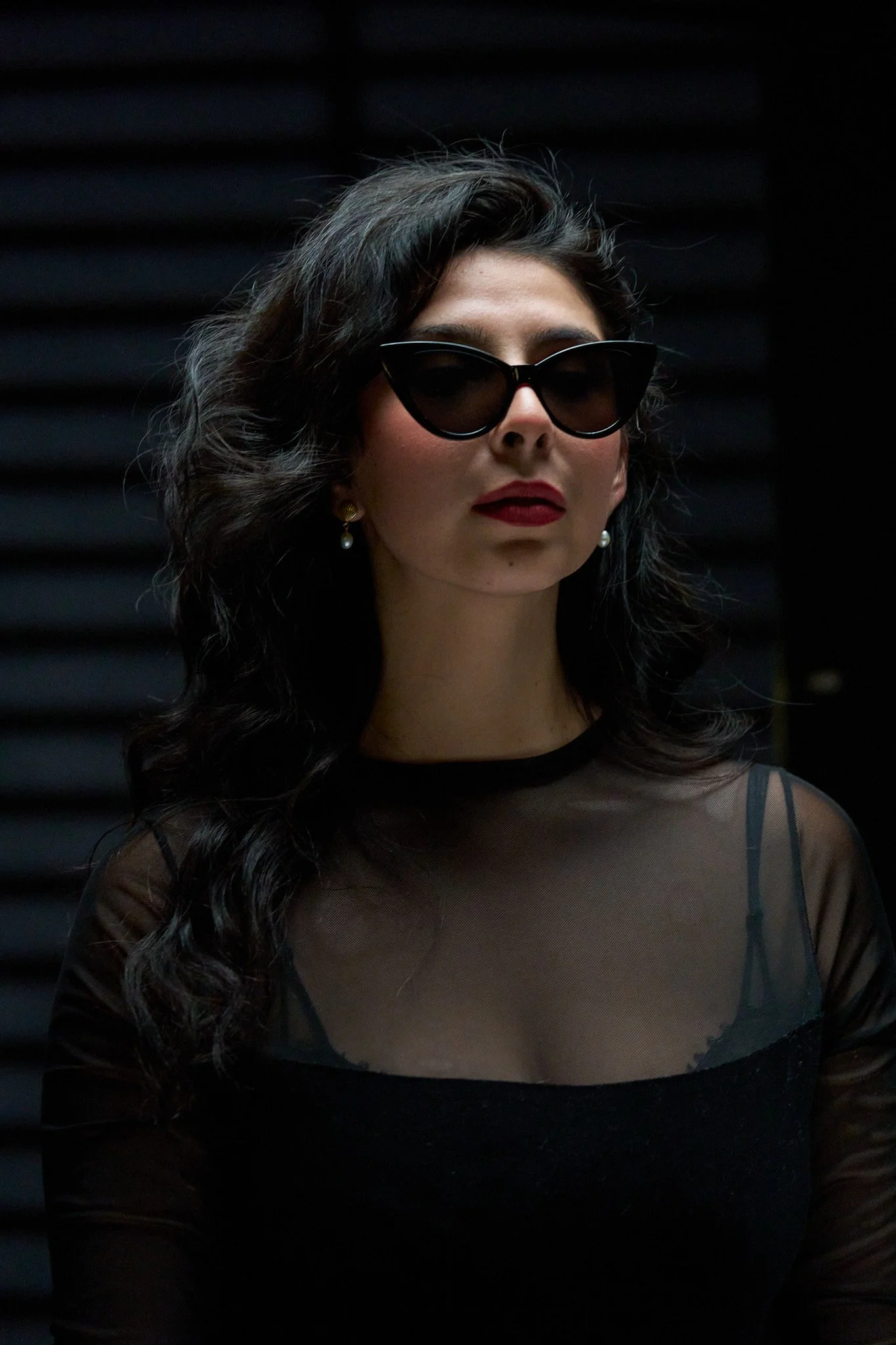
• Chiaroscuro: High contrast lighting with deep shadows, often using Venetian blinds for striped effects.
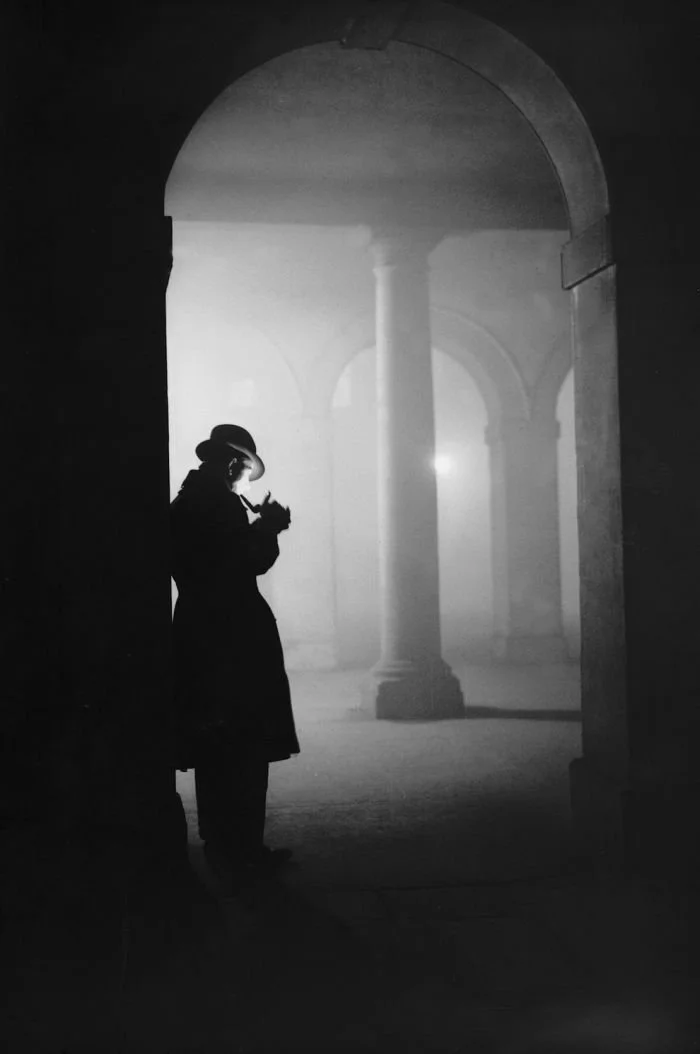
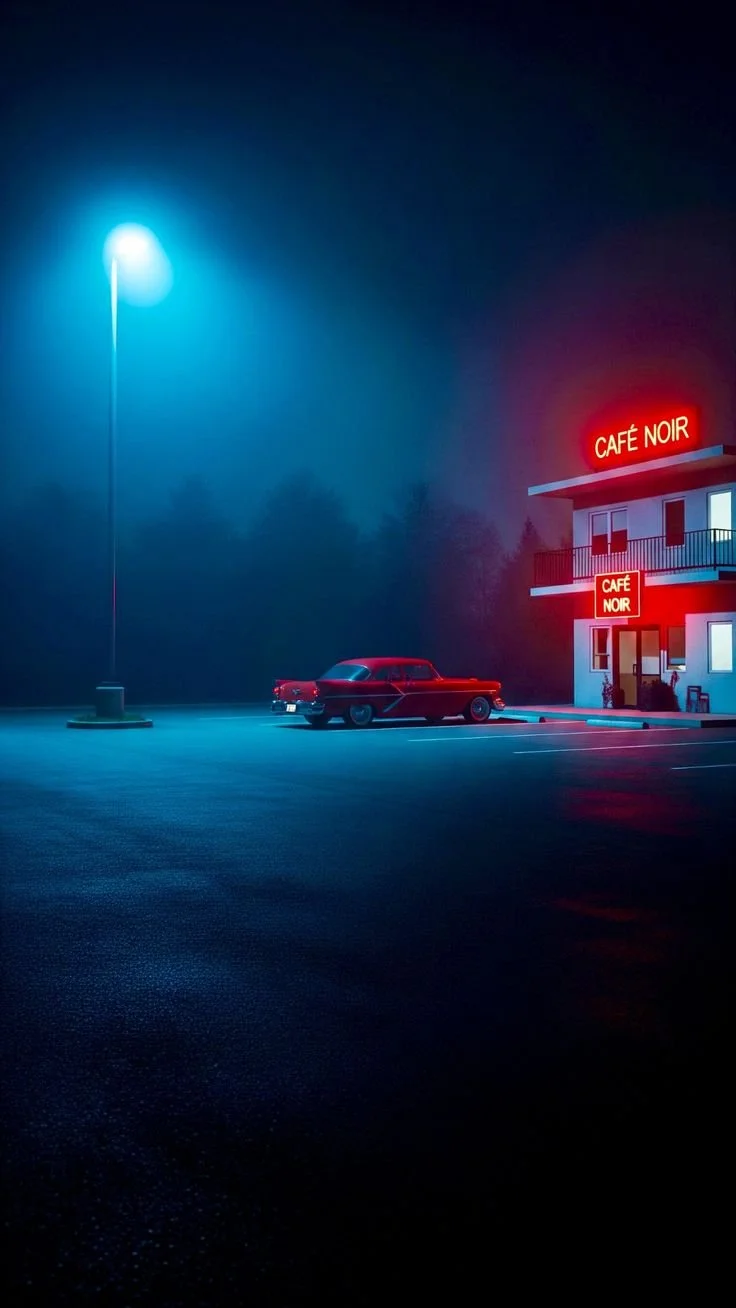
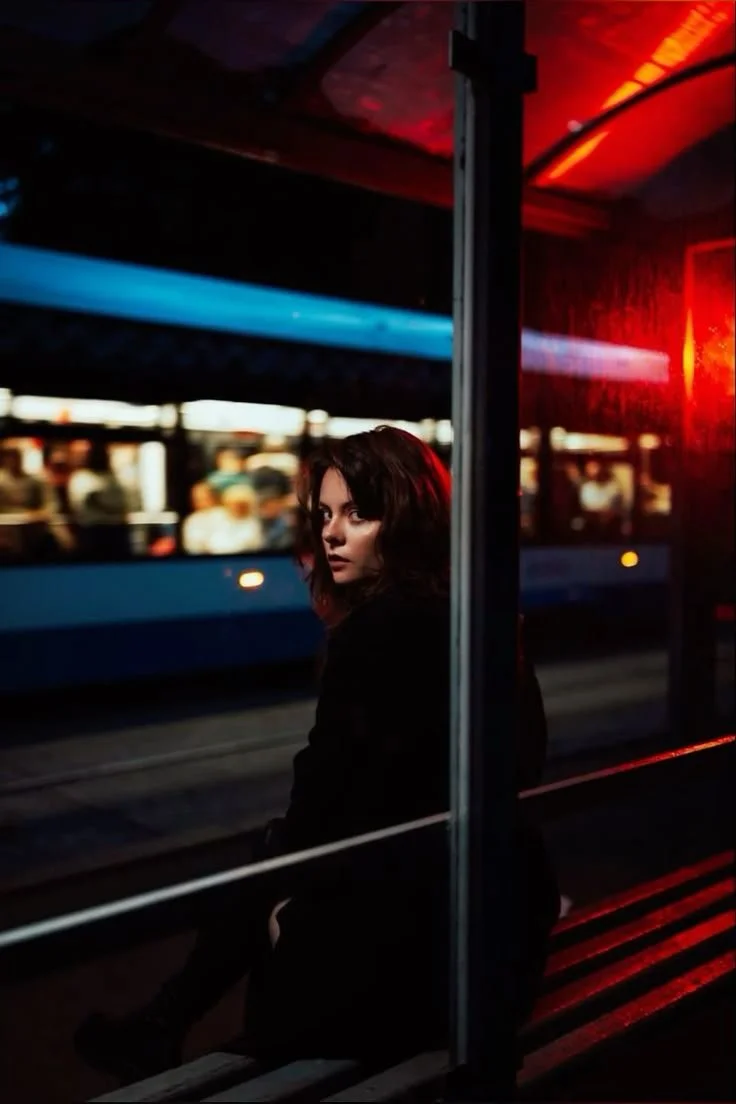
• Atmosphere: Moody, shadowy, urban settings, often at night, creating suspense and mystery.
• Characters: Femme fatales, hardboiled detectives, desperate figures caught in moral ambiguity.
https://deadline.com/gallery/the-faces-of-noir-studio-portraits/fnp-maltese-falcon-bogart/
———————————-
Retouching:
https://helpx.adobe.com/ph_fil/lightroom-classic/how-to/create-film-noir-effect.html
https://medialoot.com/blog/how-to-make-a-modern-noir-photo-effect-in-lightroom/
ACCESS YOUR E-MAIL AT THIS URL: webmail.icp.org and/or
USERNAME: KHaberberg@icp.edu